Ipoh, Malaysia
- 840,000 people
- 15 places to visit
- 4.6005, 101.0758
Places to Visit (15)
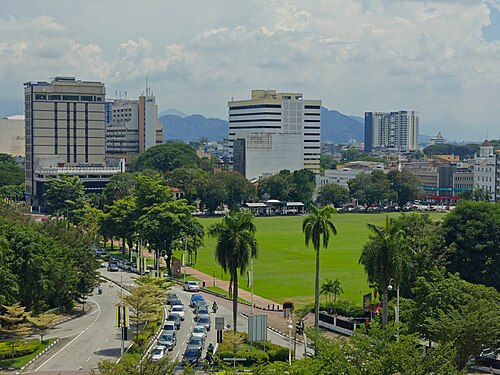
Ipoh, the capital of Perak state in Malaysia, is a vibrant city known for its rich history, colonial architecture, and culinary delights. Situated approximately 200 kilometers north of Kuala Lumpur, Ipoh began as a tin mining town in the 19th century, which contributed significantly to its development and prosperity. The city is bordered by limestone hills, providing a picturesque backdrop and contributing to the development of several caves and natural attractions in the area. Among the notable features is the Kek Lok Tong Cave Temple, which is set within a limestone cave and surrounded by lush gardens, showcasing the intertwining of natural beauty and cultural heritage.
In addition to its historical significance, Ipoh is renowned for its diverse and delicious food scene, often considered one of the food capitals of Malaysia. Local specialties such as Ipoh hor fun (flat rice noodles), chicken rice, and a variety of bean sprout dishes reflect the city’s culinary heritage, influenced by Chinese and Malaysian flavors. The vibrant night markets and food courts attract both locals and tourists, offering an array of local delicacies and street foods. Furthermore, Ipoh is home to numerous heritage buildings, including the iconic Ipoh Railway Station and impressive colonial-era homes, which reflect its historical past as a prosperous tin mining hub. The city has progressively embraced its cultural and natural heritage, making it a popular destination for travelers seeking a blend of history, culture, and gastronomic experiences.
Ipoh has also seen significant modernization while retaining its charm, with new developments and attractions emerging alongside the old. The expansion of urban infrastructure, including the introduction of arts and cultural events, has revitalized the city, creating a more dynamic environment for residents and visitors alike. The city's strategic location along the North-South Expressway makes it easily accessible, contributing to its growing popularity as a weekend getaway for those from neighboring cities. As Ipoh continues to evolve, it holds a unique position as a city that honors its historical roots while adapting to contemporary trends, making it a noteworthy place in Malaysia's diverse cultural tapestry.
Facts about Ipoh
- Ipoh is known for its colonial architecture, particularly its well-preserved buildings from the British colonial period, making it a unique historical site in Malaysia.
- The city is famous for its white coffee, which is brewed with beans roasted in palm oil, giving it a distinct flavor that sets it apart from other Malaysian coffees.
- Ipoh is home to the Perak Cave Temple, a spectacular cave temple complex filled with beautiful Buddhist statues and carvings, located within a limestone hill.
- The city was historically a tin mining hub, which significantly contributed to Malaysia's economy in the late 19th and early 20th centuries, distinguishing it from other towns reliant on agriculture.
- Ipoh has a vibrant food scene, recognized for its street food; dishes like Hainanese chicken rice and Ipoh curry mee are considered must-try local specialties.
- The Lost World of Tambun, a theme park and resort in Ipoh, features natural hot springs, making it unique among theme parks in Malaysia.
- Ipoh is often referred to as the 'City of Millionaires' due to the wealth accrued from tin mining during its peak, which is not a claim associated with many other towns.
- The Ipoh Railway Station, built in 1917, is considered one of the most beautiful railway stations in Malaysia, showcasing a mixture of Moorish and Art Deco architectural styles.
- Ipoh's Gua Tempurung is one of the largest caves in Peninsular Malaysia, offering adventure tourism options like caving and abseiling, which are less commonly found in other cities.
- Every year, Ipoh hosts the Ipoh International Arts Festival, an event that showcases local and international artists, promoting cultural diversity in the city.