Iquique, Chile
- 191,468 people
- 14 places to visit
- -20.2307, -70.1357
Places to Visit (14)
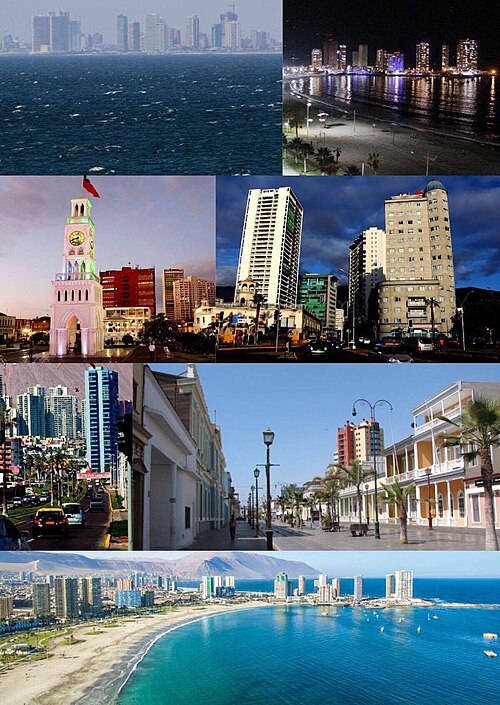
Iquique is a vibrant coastal city located in the northern part of Chile, serving as the capital of the Tarapacá Region. Nestled between the Pacific Ocean and the Andes Mountains, Iquique boasts a unique blend of cultural and historical significance, along with striking natural landscapes. The city has a population of approximately 200,000 inhabitants and is known for its desert climate, with clear skies and minimal rainfall throughout the year, making it a popular destination for both tourists and businesses. As a major port city, Iquique plays a crucial role in Chile's economy, particularly in trade and fishing, benefiting from its strategic location along the Pacific trade route.
Iquique’s rich history dates back to the pre-Columbian era when it was inhabited by indigenous communities, notably the Aymara people. The city experienced significant development during the late 19th century, with the boom of the nitrate industry, an essential resource for fertilizer and explosives. This economic surge attracted workers and settlers from various parts of Chile and abroad, giving rise to a diverse cultural fabric. One of the key historical sites is the Plaza Prat, which features beautiful architecture from the early 20th century, including the iconic Iquique Municipal Theatre and other well-preserved buildings reflecting the city's prosperous past. Modern Iquique is also known for its recreational offerings, such as the picturesque beaches like Cavancha and Playa Brava, where activities like surfing, parasailing, and sunbathing flourish.
Tourism in Iquique has grown significantly, driven by its atmospheric blend of history and modernity. Visitors explore the historic district with its charming architecture and enjoy local cuisine, heavily influenced by both coastal and Andean traditions. The nearby Humberstone and Santa María nitrate mines, now UNESCO World Heritage Sites, provide insight into the region's mining history. Adventure enthusiasts flock to the surrounding desert for activities such as sandboarding and exploring the Atacama Desert, one of the driest places on Earth. Iquique also hosts various cultural events and festivals throughout the year, celebrating its rich heritage and diverse community while solidifying its status as a key destination in Chile.
Facts about Iquique
- Iquique is known for its unique desert climate, being one of the driest cities in the world, with an average annual rainfall of just 1.5 mm.
- The city was a significant hub during the 19th-century nitrate boom, which established it as a booming port city and contributed to its economic growth.
- Iquique boasts a long, picturesque waterfront known as the 'Costanera,' featuring a series of beaches that are popular for surfing and swimming.
- The city is home to the historic Oficina Salitrera Santiago Humberstone, a UNESCO World Heritage Site, which symbolizes the region's past in the saltpeter industry.
- Iquique has a unique blend of cultures, influenced by waves of migrants from Europe and Peru, evident in its architecture and cuisine.
- The annual Iquique Carnival is a colorful event that showcases local music, dance, and culture, drawing visitors from across the country and beyond.
- Iquique's historic Plaza Arturo Prat is notable for its striking palm trees and statues, including one dedicated to the Chilean naval hero Arturo Prat.
- The city is located next to the Atacama Desert, making it a gateway for adventures such as sandboarding and exploring beautiful desert landscapes.
- Iquique has a thriving fishing industry, with its port being one of the primary fishery export points in Chile, especially for seafood.
- It is also famous for the 'Iquique Free Zone,' one of the largest free trade zones in Latin America, promoting international commerce and trade.