Irákleion, Greece
- 137,154 people
- 12 places to visit
- 35.3387, 25.1442
Places to Visit (12)
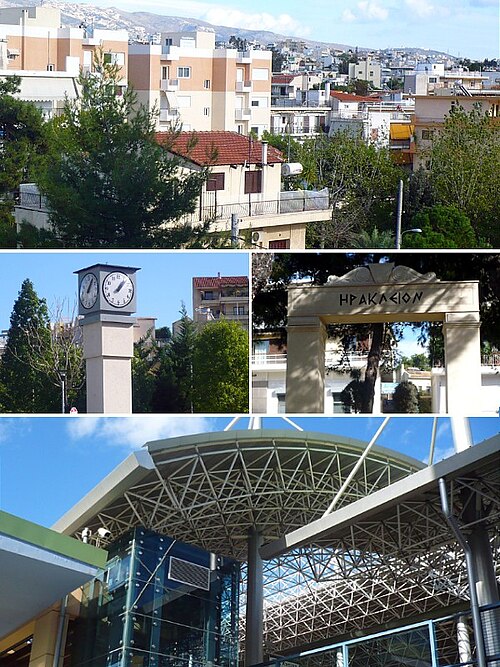
Irákleion, also known as Heraklion, is the largest city and administrative capital of Crete, Greece. Situated on the northern coast of the island, it has a rich history that dates back to antiquity. The city was founded by the Minoans around 2700 BC and serves as a significant archaeological site, with remnants of the legendary Minoan civilization still visible today. The Palace of Knossos, located just a few kilometers south of the city, is perhaps the most famous archaeological site in Crete, once believed to be the ceremonial and political center of Minoan culture. The city’s history has seen various influences, having been occupied by the Romans, Byzantines, Venetians, and Ottomans, all of which have left their mark on its architecture, culture, and urban landscape.
Modern Irákleion is a vibrant metropolis that blends historical charm with contemporary life. The city's Venetian harbor, with its iconic fortress, is a popular tourist attraction, offering insights into its maritime history. Visitors can explore the Archaeological Museum of Heraklion, which houses one of the most significant collections of Minoan artifacts in the world, including frescoes, pottery, and jewelry. Irákleion is also known for its lively streets filled with shops, restaurants, and cafes that reflect both traditional Cretan and modern Greek culture. The city hosts various cultural events and festivals throughout the year, celebrating its rich heritage and fostering a sense of community among locals and visitors alike. With its beautiful coastline, historical landmarks, and lively atmosphere, Irákleion remains a key destination for those wishing to experience the diverse cultural tapestry of Greece.
Facts about Irákleion
- Irákleion, also known as Heraklion, is the largest city and the administrative capital of the island of Crete, making it an important cultural and economic center.
- The city is home to the Palace of Knossos, the largest Bronze Age archaeological site on Crete, which is linked to the legendary Minotaur myth and Minoan civilization.
- Irákleion features a rich Venetian architecture, evidenced in the well-preserved Venetian fortress of Koules, which was built in the 16th century to protect the harbor.
- It is known for the Heraklion Archaeological Museum, which houses the world's most significant collection of Minoan artifacts, showcasing the island's ancient history.
- The city played a significant role during the Cretan Revolution against Ottoman rule, and it hosted the declaration of the Cretan State in 1898.
- Irákleion has a vibrant waterfront, Promenade of Nearchou, which combines stunning views of the sea with accessibility to local cafes and shops, making it a popular leisure destination.
- The city hosts the annual Heraklion Wine Festival, celebrating the region's rich viticulture and promoting local wines, distinguishing it from other Greek cities.
- Irákleion is also notable for its coffee culture, with numerous traditional kafeneia that offer a taste of local life and a variety of Greek coffee blends.
- As a modern center of arts and culture, the city features the Museum of Contemporary Art of Crete, which promotes contemporary artists and hosts various exhibitions.
- Heraklion is strategically located as a gateway to the southern parts of Greece and other surrounding islands in the Aegean Sea, making it a crucial transportation hub.