Irbid, Jordan
- 569,068 people
- 12 places to visit
- 32.5568, 35.8469
Places to Visit (12)
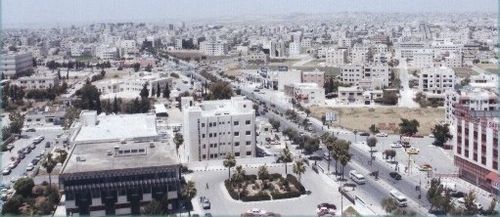
Irbid is one of Jordan's largest cities, located in the northern part of the country, approximately 70 kilometers north of the capital, Amman. As the administrative center of the Irbid Governorate, it plays a vital role in the region's economy and culture. Irbid is situated at the crossroads of several important historical routes, making it a significant site for trade and cultural exchange throughout history. The city is often referred to as the "city of universities" due to its higher education institutions, including Yarmouk University and Jordan University of Science and Technology, drawing a large student population and fostering a vibrant atmosphere.
With a rich historical background, Irbid has been inhabited since ancient times, with archaeological evidence indicating settlement by various civilizations, including the Romans, Byzantines, and Ottomans. Significant archaeological sites in the area, such as the ancient city of Gadara, reflect its historical importance. In addition to its historical sites, Irbid is known for its modern infrastructure and services that support a growing population, which is characterized by a mix of urban and rural communities. The city has a diverse economy, with agriculture, manufacturing, and trade being key sectors.
Irbid also boasts a rich cultural scene, providing a variety of recreational resources, parks, and recreational facilities. The city's traditional markets and modern shopping centers offer residents and visitors alike a wide range of goods and experiences. Festivals and cultural events throughout the year highlight the local traditions and the welcoming nature of its inhabitants. As a primary hub of educational and cultural activity in northern Jordan, Irbid continues to attract people from various backgrounds and remains an essential contributor to the country's development and cultural heritage.
Facts about Irbid
- Irbid is known as the 'City of Cultural Heritage' in Jordan due to its rich history and contributions to various cultural movements.
- The city is home to the Yarmouk University, which is one of the largest and most prominent universities in Jordan, attracting students from across the Arab world.
- Irbid serves as a hub for the northern region of Jordan and plays a strategic role in trade and commerce, connecting Jordan to its northern neighbors.
- The city has a rich archaeological heritage, with significant ancient sites nearby, including the Roman ruins of Gadara and the Byzantine city of Pella.
- Irbid hosts the annual Jerash Festival of Culture and Arts, showcasing local talent and traditional performances, which distinguishes it from many other cities in Jordan.
- The city is known for its vibrant agricultural sector, particularly in the production of olives, which are a staple in Jordanian cuisine.
- Irbid is unique for its diverse population, including a mix of different Jordanian tribes and refugees from various backgrounds, contributing to its cultural diversity.
- The Al-Khader Church, located in Irbid, is one of the oldest churches in Jordan and reflects the city's historical Christian presence.
- Irbid has a reputation for its lively markets, where traditional crafts and local produce can be found, making it a favorite spot for both locals and tourists.
- The city is known for its educational initiatives and has numerous schools and institutes focusing on various fields, including technology and sciences.