Irun, Spain
- 60,951 people
- 10 places to visit
- 43.3382, -1.7889
Places to Visit (10)
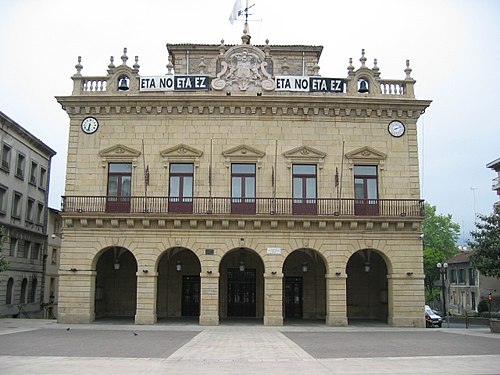
Irun is a city located in the northeastern part of Spain, in the Basque Country, close to the French border. It lies on the banks of the Bidasoa River, facing the French town of Hendaye directly across from it. As part of the Gipuzkoa province, Irun is known for its strategic location, being situated near major transportation routes, including roads and railways that connect Spain with France. The city boasts a rich history that dates back to ancient times. It was known as "Irunum" during the Roman period, and archaeological findings indicate the presence of settlers in the area for thousands of years. This historical significance is reflected in various monuments and sites, including the Church of Nuestra Señora del Juncal, which dates back to the 17th century, and the remains of Roman aqueducts and temples.
Irun has evolved into a modern city while preserving its cultural heritage. The population of approximately 60,000 residents contributes to a vibrant local economy that includes commerce, services, and industry. The city hosts several annual festivals, such as the Fiestas de San Pedro in June, which celebrates the patron saint of fishermen and features cultural activities, parades, and concerts, attracting both locals and visitors. The natural surroundings of Irun are equally notable, with the nearby coastal landscapes of the Bay of Biscay and the inland beauty of the Basque Mountains offering plenty of opportunities for outdoor activities, including hiking, cycling, and water sports. The biodiversity of the region enhances its ecological appeal, making it a popular destination for nature lovers.
In addition to its historical and cultural attributes, Irun's modern infrastructure includes shopping centers, educational institutions, and healthcare facilities that cater to its residents and visitors. The city's commitment to sustainability is evident in its urban planning and initiatives aimed at enhancing green spaces and public transport. Irun's proximity to San Sebastián, a renowned culinary hotspot, adds to its appeal, making it an attractive place for tourists exploring the Basque Country. Overall, Irun serves as a dynamic intersection of historical traditions and contemporary life, providing an enriching living experience and a unique glimpse into Basque culture.
Facts about Irun
- Irun is known for its strategic location near the French border, making it an important crossing point between Spain and France.
- The city has a rich history dating back to Roman times, with significant archaeological remains such as the Roman villa 'Irun-Etxe' discovered in 1984.
- Irun is home to a famous train station, Estación de Irun, which is one of the oldest railway stations in Spain and serves as a hub for both national and international rail services.
- The city hosts the Fiestas de San Marcial, a unique celebration that takes place in June and involves a reenactment of historical battles and a traditional parade featuring locals in medieval attire.
- Irun is located in the Basque Country and has a distinct culture that includes its own language, Euskara, alongside Spanish.
- The city is known for its beautiful parks such as the Parque de Mentxaka and the Parque de Amaiur, which offer scenic views and recreational spaces.
- Irun is recognized for its commitment to sustainability with numerous eco-friendly initiatives and projects, including the promotion of cycling and public transport.
- The city has a vibrant culinary scene, renowned for its pintxos and local Basque dishes, with several eateries highlighting traditional recipes.
- Irun boasts an important historical milestone as it was the location of the signing of the Treaty of Irun in 1859, which was relevant during the Spanish liberal wars.
- The Gernika Peace Museum in Irun focuses on the impact of the Spanish Civil War and the importance of peace and reconciliation, setting it apart from other museums in the country.