Ise, Japan
- 123,533 people
- 13 places to visit
- 34.4875, 136.7093
Places to Visit (13)
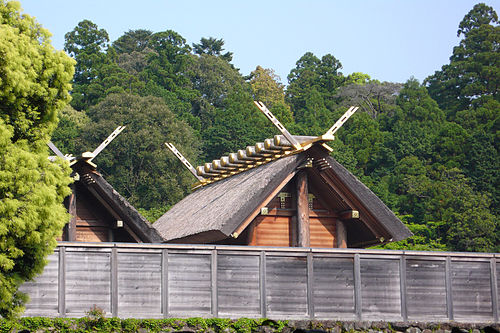
Ise is a city located in Mie Prefecture on the Kii Peninsula of Japan, known for its rich cultural heritage and historical significance. It is most famous for the Ise Grand Shrine, or Ise Jingu, which is one of the holiest Shinto shrines in Japan and dedicated to the sun goddess Amaterasu. The shrine complex consists of two main shrines, Naiku (Inner Shrine) and Geku (Outer Shrine), surrounded by lush forests and pristine natural landscapes. The architecture of the shrine is distinctive, characterized by its simplicity and use of natural materials, which are rebuilt every 20 years in a centuries-old tradition. This practice not only honors the ancient customs but also symbolizes purity and renewal.
Ise serves as a pilgrimage destination for Shinto practitioners and tourists alike, attracting millions of visitors annually. The city is steeped in tradition, and its streets are lined with historic buildings, traditional inns known as ryokan, and shops selling local crafts and food products, including Ise-ebi (Ise lobster) and akafuku mochi, a popular sweet. The cultural landscape of Ise reflects the harmonious relationship between nature and spirituality, offering serene parks and scenic coastal views. Beyond its religious significance, the city also boasts a vibrant local community that celebrates various festivals, most notably the Ise Jingu Shinpo-sai, a festivity held every two years. This lively event showcases local traditions, arts, and performances that resonate with the essence of Japanese culture.
Overall, Ise is a captivating city that not only serves as a spiritual center but also embodies the historical and cultural richness of Japan. With its deep connections to Shinto beliefs and a commitment to preserving cultural heritage, Ise stands out as a unique destination that attracts those interested in both the sacred and the scenic aspects of the Japanese experience. Whether exploring its ancient shrines or savoring local delicacies, visitors to Ise are provided with a meaningful glimpse into Japan's past and present.
Facts about Ise
- Ise is home to the Ise Grand Shrine (Ise Jingu), one of the most sacred Shinto shrines in Japan, dedicated to the sun goddess Amaterasu.
- The Ise Grand Shrine is unique because it undergoes a ritual reconstruction every 20 years, with the main shrine buildings being rebuilt to preserve ancient architectural techniques.
- Ise is famous for its production of 'Ise ebi' (lobster), which is a local delicacy enjoyed by both tourists and locals alike.
- The city is historically significant as it was the location of the Jingu Kaido, an ancient pilgrimage route that connected Ise with Kyoto.
- Ise's oysters are also renowned, particularly the cultured Ise oysters, which are a popular seasonal dish along the coast.
- Ise is known for its 'Okage Yokocho,' a traditional shopping street that offers local crafts, foods, and a glimpse of the city’s historic atmosphere.
- The area is surrounded by a beautiful landscape that includes mountains and the coastline of the Ise Bay, making it a popular destination for nature lovers.
- Ise has been a core pilgrimage destination for centuries, influencing various cultural practices and arts within Shinto traditions.
- The city plays a significant role in the 'Sengu' rites, a celebration that involves the transfer of the deity Amaterasu to a newly built shrine every 20 years.
- Ise is part of Mie Prefecture, which is known for its unique culture, history, and as a venue for the Ise-Shima National Park.