Isfahan, Iran
- 1,547,164 people
- 16 places to visit
- 32.6539, 51.666
Places to Visit (16)
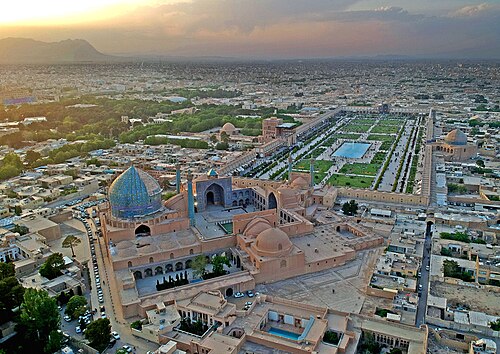
Isfahan, one of Iran's largest cities, is located in the central part of the country and serves as the capital of Isfahan Province. Known for its rich history and stunning architecture, Isfahan has played a significant role in Persian culture and history, particularly during the Safavid dynasty in the 16th and 17th centuries when it was established as the capital of Persia. The city showcases a breathtaking array of Islamic architecture, with notable landmarks including the Imam Square (Naqsh-e Jahan Square), a UNESCO World Heritage site, which features intricate mosques like the Sheikh Lotfollah Mosque and the Shah Mosque, along with the Ali Qapu Palace. The square is one of the largest city squares in the world and serves as a focal point for both locals and tourists.
Isfahan is renowned for its vibrant artisanship, particularly in textiles, pottery, and metalwork, reflecting centuries of tradition. The city’s historic bazaars, including the Grand Bazaar, offer a glimpse into the thriving trade that has characterized Isfahan for centuries. Another hallmark of Isfahan is the picturesque bridges that span the Zayandeh River, such as the Si-o-se-pol and Khaju Bridge, which are celebrated for their architectural elegance and have become symbols of the city. Isfahan is often described with the phrase "Esfahan is half the world," highlighting its cultural and historical significance in Iran and the broader region. Today, it remains a center for arts and culture, attracting numerous visitors who come to appreciate its historical sites, picturesque landscapes, and hospitable people. The city's blend of Persian heritage and contemporary life continues to make Isfahan a vital hub in Iran.
Facts about Isfahan
- Isfahan was once the capital of the Persian Empire under the Safavid dynasty in the 17th century, marking its significance in Persian history.
- The Naqsh-e Jahan Square, located in Isfahan, is one of the largest city squares in the world and is a UNESCO World Heritage Site.
- Isfahan is famous for its intricate Persian carpets, known for their unique designs and high-quality craftsmanship, making it a center for carpet weaving in Iran.
- The architecture of Isfahan is renowned for its stunning Persian-Islamic buildings, including the Sheikh Lotfollah Mosque and the Imam Mosque, showcasing exquisite tile work and calligraphy.
- Isfahan is often referred to as 'half of the world' (Nesf-e Jahan) due to its historical significance, cultural heritage, and beautiful landscapes.
- The Khaju Bridge and the Si-o-se-pol Bridge are two iconic structures in Isfahan, renowned for their unique architecture and scenic views over the Zayandeh River.
- Isfahan traditionally hosts a vibrant bazaars, such as the Isfahan Grand Bazaar, where artisans sell handmade goods, spices, and traditional Persian sweets.
- The city is known for its historic Persian gardens, such as the Hasht Behesht Palace gardens, which reflect the traditional Persian garden design and culture.
- Isfahan is a cultural hub for Persian music, and it prominently features the performance of traditional Persian music in its local gatherings and cafes.
- The annual Isfahan International Film Festival showcases films from around the world, contributing to the city’s growing reputation as a center for arts and culture.