Isfara, Tajikistan
- 274,000 people
- 3 places to visit
- 40.1207, 70.6157
Places to Visit (3)
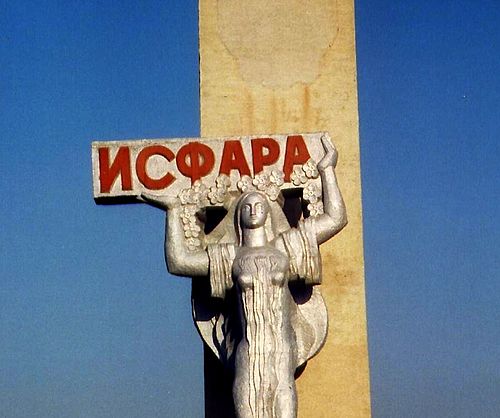
Isfara is a city located in the northern part of Tajikistan, in the Sughd region, approximately 20 kilometers from the border with Kyrgyzstan. It is situated in a picturesque valley surrounded by the Kurama Mountains, which contributes to its natural beauty. Historically, Isfara has been a hub of trade and agriculture, benefiting from its strategic location along ancient trade routes that connected Central Asia with the Middle East and beyond. The city’s population is primarily comprised of ethnic Tajiks, with a diverse mix of other ethnicities, including Uzbeks and Russians, contributing to its cultural vibrancy.
The economy of Isfara is predominantly based on agriculture, with the fertile land of the valley allowing for the cultivation of fruits, vegetables, and grains. The region is particularly known for its production of cotton, which has been a significant crop in Tajikistan's economy. Besides agriculture, Isfara has witnessed some industrial development, especially in sectors like food processing and textile manufacturing. The local economy is supplemented by remittances from citizens who have migrated to work abroad, primarily in Russia. Isfara is also noted for its cultural heritage, featuring several historical sites, including mosques and mausoleums that reflect the rich Islamic architecture of the region. The city often hosts various cultural events and festivals that showcase traditional music, dance, and crafts.
Despite facing challenges such as limited infrastructure and economic opportunities, Isfara remains an important center for local governance and administration within the Sughd region. The city serves as a focal point for trade and commerce in northern Tajikistan, linking rural communities with urban markets. With its scenic landscapes, rich agricultural resources, and cultural heritage, Isfara continues to play a significant role in the life of Tajikistan, embodying the resilience of its people and the potential for continued growth in a post-Soviet context.
Facts about Isfara
- Isfara is known for its beautiful natural landscapes, surrounded by the towering Fann Mountains, which attracts hikers and nature enthusiasts.
- The city has a rich historical background, being one of the oldest inhabited areas in Tajikistan, with evidence of settlement dating back to ancient times.
- Isfara is famous for its traditional crafts, particularly its intricate carpet weaving and embroidery, which reflect the cultural heritage of the region.
- The city hosts the annual Isfara International Festival, which celebrates local culture, music, and traditions, drawing participants from nearby regions.
- Isfara has a unique architectural style, featuring a blend of Persian and Russian influences in its buildings due to various periods of rule.
- The Isfara River, which flows through the city, is essential for irrigation and agriculture, making the region known for its fruitful orchards and vineyards.
- Isfara is strategically located near the borders of Kyrgyzstan, making it a significant trade and transit point in the region.
- The city is home to several historic mosques and mausoleums, some of which date back several centuries, showcasing the Islamic architectural heritage of the area.
- Isfara is recognized for its strong community ties and cultural identity, which have been preserved despite modern influences.
- The local cuisine of Isfara features unique dishes that incorporate local ingredients, particularly pomegranate and fresh herbs, distinguishing it from other culinary traditions in Tajikistan.