Ishioka, Japan
- 52,304 people
- 14 places to visit
- 36.191, 140.2871
Places to Visit (14)
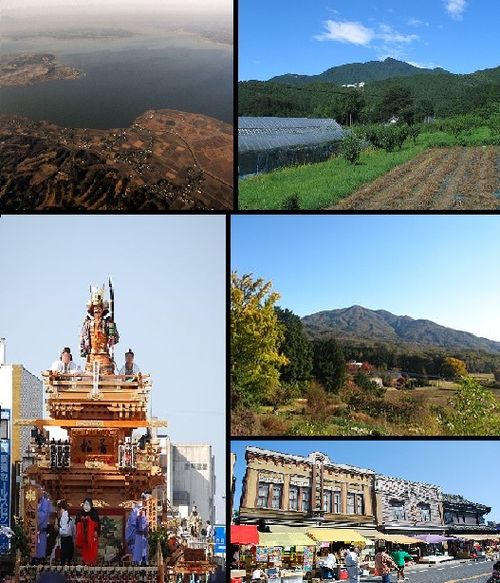
Ishioka is a city located in Ibaraki Prefecture, Japan, known for its rich cultural heritage and picturesque landscapes. Situated in the northern part of the prefecture, Ishioka is approximately 60 kilometers northeast of Tokyo, making it accessible for both residents and visitors. The city is characterized by its rolling hills and rural charm, offering a blend of urban and natural environments. It is positioned near the Tsukuba Mountain Range and features several rivers that contribute to its scenic beauty. The area has a temperate climate, with warm summers and cool winters, making it suitable for various agricultural activities.
Ishioka has historical significance, with roots dating back to ancient times. The city was formally established in 1954 but has a long history, evident from archaeological findings in the region. It is home to several historical sites, including the Ishioka Shrine, which is dedicated to various deities and draws visitors seeking spiritual solace. The city also celebrates traditional festivals that highlight its cultural richness, such as the Ishioka Fireworks Festival and the agricultural festivals that showcase local produce. Additionally, the area is known for its production of sweet potatoes, a staple in the local diet, and the Ishioka sweet potato has gained recognition for its quality.
In recent years, Ishioka has focused on modern development while preserving its cultural heritage. The local government has invested in infrastructure improvements, enhancing transportation options and public services, which has contributed to a growing population and economy. The city promotes tourism by emphasizing its natural parks, historic sites, and agricultural experiences, attracting those looking for a retreat from urban life. Additionally, Ishioka is part of the Greater Tokyo Area, making it an attractive place for commuters who work in the capital but prefer the tranquility of a smaller city. As it continues to evolve, Ishioka balances its historical roots with the demands of modern living, providing a unique experience for residents and visitors alike.
Facts about Ishioka
- Ishioka is known for its production of 'Ishioka Pears,' a unique variety of pears that are celebrated for their sweetness and quality, making the region famous for its fruit agriculture.
- The city holds the annual 'Ishioka Fireworks Festival,' one of the largest and most popular fireworks shows in Ibaraki Prefecture, attracting thousands of visitors every summer.
- Ishioka is home to the historical site of 'Ishioka Castle,' which dates back to the Edo period and offers a glimpse into the region's feudal history, unlike most modern towns that lack such historical architecture.
- The city features 'Kanpo no Yu,' a renowned hot spring resort known for its therapeutic waters, set in a tranquil mountainous environment, distinguishing it from many urban areas in Japan.
- Ishioka is the gateway to 'Mount Tsukuba,' a significant mountain with a rich array of hiking trails, offering stunning views and easy access to outdoor activities that many cities do not provide.
- The city has a cultural connection to the 'Stikine River,' as it hosted Japanese emigrants in the late 19th century who traveled to Canada, reflecting a unique aspect of Japan's emigration history.
- Ishioka is notable for its cherry blossom festivals, particularly along the 'Ishioka River,' creating a stunning seasonal spectacle that showcases the natural beauty of the area during spring.
- The annual 'Ishioka International Paper Airplane Competition' draws participants from around the world, emphasizing the city’s dedication to unique and engaging community events.
- Ishioka maintains a strong agricultural tradition and is recognized for its rice production, particularly 'Koshihikari,' which is considered some of the best in Japan due to the area's favorable climate and soil.
- The city has developed a reputation for cutting-edge technology in fields like robotics and advanced manufacturing, setting it apart as a hub for innovation in the region.