Isle of Lewis, United Kingdom
- 18,500 people
- 58.219, -6.388
No places available for this city.
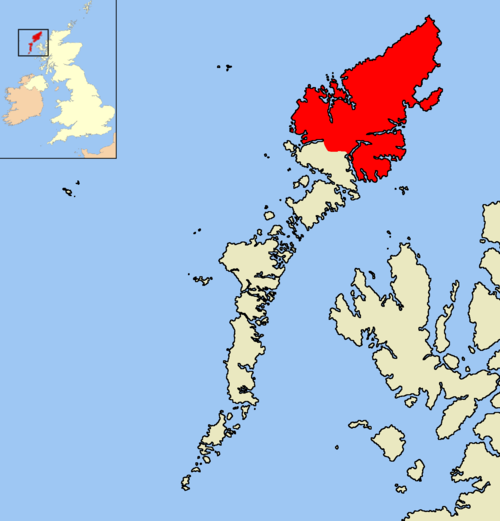
The Isle of Lewis is the largest island in the Outer Hebrides of Scotland, part of the United Kingdom. It is located to the northwest of the mainland and is known for its stunning landscapes, rich history, and distinct cultural heritage. Lewis, along with Harris, forms the Lewis and Harris island group, with the town of Stornoway serving as its capital and the principal port. The island has a population of approximately 18,500 people and is characterized by a rugged coastline, moorland, and a variety of geological features. The area is particularly famous for its prehistoric sites, including the renowned Callanish Standing Stones, which predate Stonehenge and are thought to have been erected around 3000 BC.
Culturally, the Isle of Lewis has a vibrant Gaelic heritage, with many residents speaking the Gaelic language. The island holds an annual Hebridean Celtic Festival, which celebrates the music and culture of the islands, attracting visitors from across the globe. The local economy is primarily driven by fishing, crofting, and tourism, with an increasing focus on renewable energy initiatives. The island's traditional craftsmanship, particularly in Harris Tweed, is also a significant aspect of Lewis's identity, with this unique fabric being handwoven by local artisans. Eilean Leòdhais, its Gaelic name, indicates the island's deep connection to its cultural roots, as the community actively preserves and promotes its traditions while balancing modern influences. Visitors to the Isle of Lewis can enjoy dramatic coastal scenery, historical landmarks, and a welcoming atmosphere, making it a unique destination in the UK.
Facts about Isle of Lewis
- The Isle of Lewis is home to the famous Callanish Standing Stones, a megalithic site that predates Stonehenge and is over 5,000 years old.
- The island is the largest of the Outer Hebrides and is the most populous, known for its stunning landscapes of rugged coastlines and rolling hills.
- The Lewis Chessmen, a set of 12th-century chess pieces made from walrus ivory and whales' teeth, were discovered on the island and are now displayed in the British Museum.
- The Harris Tweed industry, a handwoven fabric protected by law, is closely associated with the Isle of Lewis and is a symbol of quality craftsmanship.
- Lewis features unique Gaelic culture, with a high percentage of the population speaking Scottish Gaelic as their first language.
- The island has a rich Norse heritage, reflected in many place names and historical sites, as it was part of the Kingdom of Mann and the Isles in the Viking Age.
- St. Kilda, a UNESCO World Heritage Site known for its birdlife and dramatic cliffs, is located just west of Lewis and has significant cultural and ecological importance.
- The Isle of Lewis is famous for its coastal heritage, including a variety of lighthouses, with the most notable being the Butt of Lewis Lighthouse, one of the tallest in Scotland.
- The island has a population of around 20,000, making it one of the few places in the UK where traditional island life is still very much alive and influential.
- Events like the Lewis Carnival and the Hebridean Celtic Festival celebrate local music, culture, and arts, drawing visitors from across the UK and beyond.