Isparta, Turkey
- 172,334 people
- 5 places to visit
- 37.7627, 30.5537
Places to Visit (5)
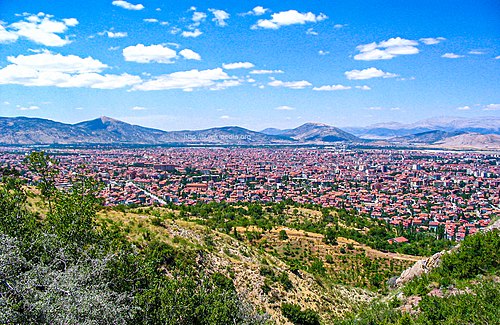
Isparta is a city located in southwestern Turkey, known for its rich history, stunning natural landscapes, and strong connections to agriculture and horticulture. Situated at an elevation of approximately 1,000 meters in the Lakes Region, Isparta serves as the administrative center of Isparta Province. The city's historical roots can be traced back to ancient times, originally being established as a settlement known as "Synaus." Over the centuries, it has been influenced by various civilizations, including the Phrygians, Romans, Byzantines, and Ottomans. This diverse history is reflected in the remnants of ancient structures and monuments scattered throughout the region, including historical mosques, churches, and ruins.
Isparta is famously known as the "Rose City" due to its extensive rose cultivation, particularly the Damask rose, which is used in the production of rose oil, cosmetics, and perfumes. Each year, the city hosts the International Rose Festival to celebrate this vital industry, attracting tourists and participants from around the world. The economy of Isparta is not solely reliant on floral exports, as it also thrives on agriculture, with the cultivation of fruits, vegetables, and other crops flourishing in its fertile land. The region's breathtaking landscapes, characterized by mountains, lakes, and forests, offer opportunities for outdoor activities such as hiking, camping, and nature tourism. Popular destinations include the idyllic Lake Egirdir and the stunning National Park of Lake Eğirdir, which draw visitors with their scenic beauty and recreational options.
Isparta's climate is characterized by hot, dry summers and cold, snowy winters, which influences both its agricultural practices and the lifestyle of its residents. The local cuisine reflects the agricultural bounty of the region, featuring dishes made with fresh produce, dairy products, and meats. Isparta's cultural heritage is also evident in its traditional crafts, including carpet weaving and handicrafts, which contribute to its unique identity. As a city that blends natural beauty, historical significance, and a vibrant local culture, Isparta presents a compelling destination for both tourists and researchers interested in exploring a less-commercialized part of Turkey. With its ongoing development and commitment to preserving its rich heritage, Isparta continues to thrive as a charming and significant city in Turkey's diverse tapestry.
Facts about Isparta
- Isparta is often referred to as the 'City of Roses' due to its extensive rose cultivation, particularly the famous Isparta rose, which is used to produce rose oil.
- The city hosts the annual Isparta Rose Festival, celebrating the local rose harvest with various activities, including parades, exhibitions, and cultural events.
- Isparta is home to the largest lake in the country, Lake Eğirdir, which is a significant tourist attraction known for its natural beauty, fishing opportunities, and water sports.
- The ancient city of Pisidia, located near Isparta, features well-preserved historical ruins, including a theater and temples, that date back to Hellenistic and Roman times.
- Isparta has a prominent education hub, hosting Süleyman Demirel University, which contributes to research in various fields, particularly in horticulture and local industry.
- The region's unique geography and climate allow for the cultivation of various fruits, vegetables, and especially aromatic herbs, making it a significant agricultural area.
- The city is known for its traditional handicrafts, particularly in carpet weaving and embroidery, showcasing local artistry and cultural heritage.
- Isparta's historical significance is marked by its strategic location along ancient trade routes, making it a melting pot of different cultures throughout history.
- The nearby Davraz Ski Resort provides a unique recreational venue, combining winter sports with the scenic views of the surrounding mountains, appealing to both locals and tourists.
- Isparta is also famous for its traditional Turkish breakfast, which features local cheeses, olives, honey, and a variety of breads, highlighting regional culinary delights.