Itako, Japan
- 27,512 people
- 14 places to visit
- 35.9471, 140.5554
Places to Visit (14)
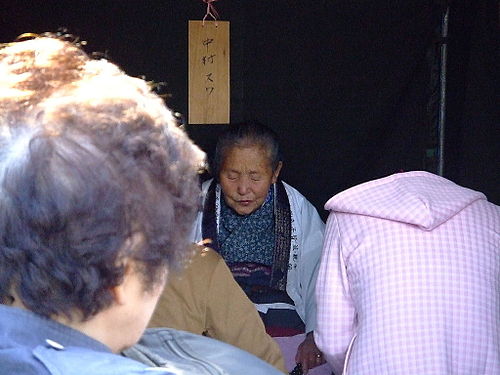
Itako is a city located in Ibaraki Prefecture, Japan, known for its rich cultural heritage and scenic landscapes. Situated at the confluence of the Kiso and Katori Rivers, Itako is characterized by an abundance of waterways, making it a unique locale often referred to as the “City of Water.” The city's proximity to the Pacific coast has contributed to its development as a significant center for agriculture and fishing, particularly eel farming, which has become a specialty of the area. The city covers an area of approximately 55.6 square kilometers and, as of the latest census, has a population of around 20,000 residents.
Historically, Itako has been associated with the practice of "Ikigami," which translates to "living ghost," a traditional form of spiritualism originating from the Edo period (1603-1868). The city is recognized for its vibrant festivals, including the popular Itako Morning Market, which showcases local produce and handicrafts. Itako is also home to several historical and cultural sites, including the historic canals that echo its past as a transportation hub. The canals, lined with cherry blossom trees, attract seasonal visitors, particularly during spring when the blossoms are in full bloom. Moreover, Itako's natural beauty is complemented by its various parks and recreational areas, offering both residents and visitors opportunities for outdoor activities and leisure. The city's unique blend of tradition and nature makes Itako an interesting destination for those seeking a glimpse into Japan's rural heritage.
Facts about Itako
- Itako is known as the 'City of Water' due to its location near the Kashima and Itako rivers, which play a significant role in local culture and activities.
- The city is famous for its unique 'Itako's Summer Fireworks Festival' which attracts thousands of visitors each year with its stunning displays on the water.
- Itako is home to the annual 'Itako Tulip Festival,' showcasing vibrant tulip fields that draw tourists and floral enthusiasts from all over Japan.
- One of Itako's distinguishing characteristics is the prevalence of 'Shinto shrines,' including the historic Itako Shrine, which dates back to the Edo period.
- The city has a historic connection to 'northern Japanese' tradition, particularly through the practice of 'Kaimana' or coastal fishing methods unique to the area.
- Itako is recognized for its traditional 'Kikkō-dō' (Turtle Hall), a unique cultural site dedicated to the conservation of turtle species, reflecting local wildlife awareness.
- Historically, Itako was a notable post station during the Edo period, serving as a rest stop on the route between Edo (Tokyo) and the northeastern provinces.
- The city has a unique ghost town atmosphere surrounding the 'Dojo-ji Temple,' which is famous for its association with local legends and folklore.
- Itako's unique 'Yaru-soba' or 'soba noodles' are renowned in the region, made from locally sourced buckwheat and are a specialty of the area.
- The city celebrates the unique 'spiritual practice' of 'Itako,' traditional female mediums who communicate with spirits, making it a center for spiritual tourism.