Itapetininga, Brazil
- 126,243 people
- 2 places to visit
- -23.5824, -48.0361
Places to Visit (2)
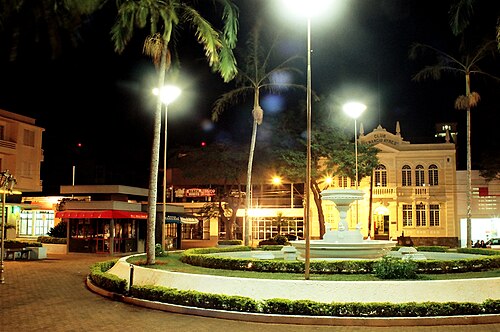
Itapetininga is a city located in the state of São Paulo, Brazil, situated approximately 140 kilometers (87 miles) northwest of São Paulo city. Founded on July 4, 1560, it is one of the oldest towns in the interior of the state and has a rich history that reflects the region's colonial past. The name "Itapetininga" is derived from the Tupi language, translating to “stone that has water,” a reference to the area's geology and resources. The city boasts a diverse landscape characterized by hills, rivers, and fertile plains, contributing to its agricultural productivity, particularly in the cultivation of coffee, sugarcane, and grains.
Itapetininga serves as an important economic hub within the region, with a mix of agriculture, industry, and commerce. The city has a population of approximately 150,000 residents, who contribute to a vibrant community culture. Itapetininga is known for its historical architecture, including churches and colonial buildings, which attract visitors interested in Brazilian history and culture. The local economy has evolved over the years, with industries such as textiles, food processing, and machinery manufacturing playing a significant role.
The city is well connected by highways and railways, facilitating trade and travel to and from the larger urban centers in São Paulo state. Itapetininga also hosts several annual cultural events that celebrate local traditions, including the Feira de Artesanato (Craft Fair) and festivals dedicated to folk music and dance. This cultural vibrancy, along with its historical significance and economic activities, makes Itapetininga an essential city in the Brazilian interior, reflecting the broader narratives of growth, history, and community in the region.
Facts about Itapetininga
- Itapetininga is known for its rich agricultural heritage and is often referred to as the 'Land of Agriculture' due to its fertile soil and favorable climate for farming.
- The city has a unique historical significance as it was the site of a crucial battle during the War of the Triple Alliance in the 19th century, which played a role in shaping Brazilian history.
- Itapetininga is home to the historic Igreja Matriz de Sant'ana, a beautiful church dating back to the 18th century, which showcases colonial architecture distinct to the region.
- The city celebrates the Festa de São João, a traditional festival that includes folk music, dance, and local cuisine, distinguishing it from other towns that may celebrate different festivals.
- Itapetininga has a strong cultural identity influenced by its indigenous, Portuguese, and African roots, reflected in local customs, music, and culinary traditions.
- The city is well-known for its festivals related to the agricultural calendar, including fairs that highlight local produce and crafts, setting it apart from more urbanized areas.
- Itapetininga's economy is bolstered by industries such as food processing, textiles, and furniture manufacturing, making it a diverse economic hub compared to adjacent towns.
- The city is home to the Parque das Águas, a recreational area with thermal springs, which attracts visitors for its health benefits and contrasts with typical urban park experiences.
- Itapetininga also has an annual equestrian event known as the Festa do Peão, celebrating cowboy culture and traditions, which is emblematic of rural Brazilian life and unique in its approach compared to other festivals in Brazil.
- The local cuisine includes unique dishes such as 'Virado à Paulista,' presenting a regional twist on the traditional Brazilian fare, which enriches the city's culinary landscape.