Itaquaquecetuba, Brazil
- 336,679 people
- 9 places to visit
- -23.4962, -46.3565
Places to Visit (9)
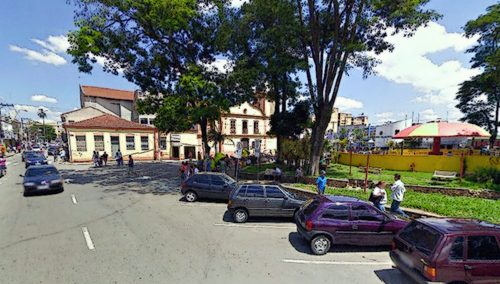
Itaquaquecetuba is a municipality located in the state of São Paulo, Brazil. It is part of the Metropolitan Region of São Paulo and lies approximately 40 kilometers northeast of the city of São Paulo itself. The city covers an area of about 91 square kilometers and has a population of over 150,000 residents, making it one of the larger municipalities in the state. The name Itaquaquecetuba is derived from the Tupi language, which translates to "place of the stones that make noise," referencing the local rock formations. The city was officially founded on February 25, 1857, and has since developed into a significant urban center with diverse socioeconomic attributes.
The economy of Itaquaquecetuba is primarily driven by commerce, services, and light manufacturing. Due to its proximity to São Paulo, the city benefits from its role as a commuter hub, as many residents travel to the larger city for employment opportunities. The local infrastructure includes a network of public transportation options, with buses and trains connecting it to surrounding municipalities. Educational institutions and healthcare facilities also cater to the needs of the population, contributing to the overall quality of life in the area. Itaquaquecetuba has been working to improve urban development and public services, addressing challenges related to housing and environmental sustainability.
Culturally, Itaquaquecetuba is known for its vibrant community, which celebrates various local traditions and festivals throughout the year. The city's demographics are diverse, reflecting a mix of cultures and backgrounds from across Brazil and beyond. Local attractions include parks, cultural centers, and community events that highlight the heritage and identity of its residents. Despite facing urbanization challenges common to many cities in Brazil, Itaquaquecetuba continues to evolve, aiming to enhance its economic prospects and the well-being of its inhabitants.
Facts about Itaquaquecetuba
- Itaquaquecetuba is known for its historical significance, being one of the oldest settlements in the state of São Paulo, founded in 1560.
- The city's name, Itaquaquecetuba, is derived from the Tupi language, meaning 'place where the stones are found', reflecting its indigenous heritage.
- Itaquaquecetuba has a vibrant cultural scene, hosting the annual Festival of Religious and Cultural Traditions, which celebrates local music, dance, and gastronomy.
- The city houses significant historical landmarks, such as the Church of Nossa Senhora da Conceição, which dates back to the 19th century.
- Itaquaquecetuba is strategically located within the Greater São Paulo metropolitan area, making it an important hub for commerce and industry.
- The municipality is also known for its rich biodiversity, being close to nature parks and environmental reserves that offer unique flora and fauna.
- Itaquaquecetuba served as a strategic point during the Gold Trail in the 18th century, facilitating trade between the interior and the coast.
- The city features a unique blend of urban and rural environments, which contributes to its distinct lifestyle and local culture.
- Itaquaquecetuba is home to several community projects aimed at social inclusion and education, distinguishing itself in social innovation within Brazil.
- The city has a growing network of public art initiatives, showcasing local artists and transforming public spaces into vibrant cultural expressions.