Itoman, Japan
- 57,184 people
- 8 places to visit
- 26.1237, 127.6658
Places to Visit (8)
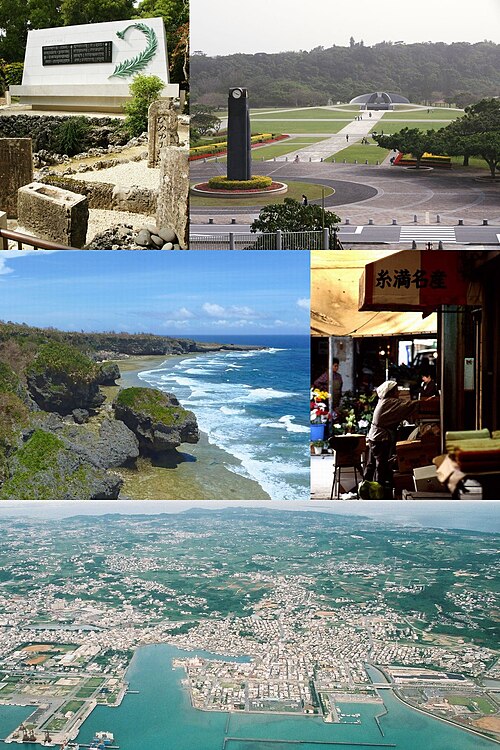
Itoman is a city located in Okinawa Prefecture, Japan, situated at the southern end of the Okinawa Island, approximately 20 kilometers south of the capital, Naha. Covering an area of 28.77 square kilometers, Itoman has a population of around 60,000 residents, known for its unique blend of cultural heritage, natural beauty, and historical significance. The city is renowned for its scenic coastline along the East China Sea, which features beautiful beaches, coral reefs, and vibrant marine life, making it a popular destination for tourists and outdoor enthusiasts. The climate is subtropical, with warm temperatures year-round, contributing to the rich biodiversity of the region.
Historically, Itoman played an important role during World War II, particularly during the Battle of Okinawa in 1945. The area was significant for military operations and witnessed considerable destruction and loss of life. Today, Itoman is home to several monuments and memorials that honor the victims of the war and commemorate the history of the region. The Itoman Peace Memorial Park and the Okinawa Prefectural Peace Memorial Museum serve as focal points for understanding the impact of the war on Okinawa's people and culture. Additionally, Itoman is known for its vibrant local culture, which is showcased through traditional Okinawan music, dance, and festivals such as the Itoman City Soba Festival. The city's economy is supported by agriculture, fisheries, and tourism, with a growing emphasis on preserving its natural and cultural heritage while promoting sustainable development.
Facts about Itoman
- Itoman is located on the southern tip of Okinawa Island and is known for its rich history and cultural significance in the Ryukyu Kingdom.
- Itoman is famous for its annual Itoman Peace Memorial Festival, which commemorates the Battle of Okinawa and promotes peace and reconciliation.
- The city is home to the Itoman Fishing Port, which is one of the largest fishing ports in Okinawa Prefecture, contributing significantly to the local economy.
- Itoman houses the Himeyuri Peace Museum, dedicated to the female student nurses who served during the Battle of Okinawa, providing a unique perspective on wartime experiences.
- The city features beautiful coastal scenery and breathtaking views of the Pacific Ocean, distinguishing it from more urbanized areas of Japan.
- Itoman's strong tradition in textile arts, particularly the weaving of 'Okinawa Bashoufu', showcases a unique cultural heritage not found in many other Japanese cities.
- The annual Itoman Festival celebrates local agriculture, fishing, and crafts, highlighting the city's commitment to preserving its traditional practices.
- Itoman is also known for its proximity to the Kudaka Island, a site steeped in mythology and considered sacred in Okinawan culture.
- The city played a crucial role during WWII, with many historic sites and remnants of the battle still visible, making it an important area for war history enthusiasts.
- Itoman has a vibrant culinary scene, especially known for its fresh seafood and traditional Okinawan dishes, setting it apart from many mainland Japanese towns.