Iwakuni, Japan
- 104,004 people
- 16 places to visit
- 34.1667, 132.2192
Places to Visit (16)
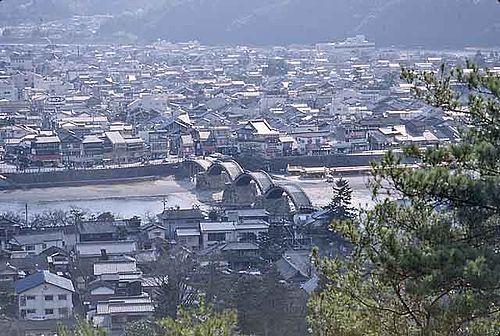
Iwakuni is a city located in Yamaguchi Prefecture, Japan, known for its rich history, scenic beauty, and cultural significance. Situated along the Nishiki River, it is approximately 50 kilometers southwest of Hiroshima and boasts a population of around 150,000 residents. The city’s origins can be traced back to the early Edo period, and it has grown into a vital cultural and economic center in the region. Iwakuni is most renowned for its iconic Kintai-kyo Bridge, a wooden arch bridge built in 1673, which is considered a masterpiece of Japanese architecture. The bridge spans the Nishiki River and is surrounded by lush scenery, making it a popular tourist attraction. The city also features the Iwakuni Castle, which sits atop a hill and offers panoramic views of the surrounding landscape, showcasing the natural beauty of the region as well as a glimpse into its storied past.
Iwakuni has a unique cultural blend that reflects both traditional Japanese life and modern influences, particularly due to the presence of the Iwakuni Marine Corps Air Station. This base significantly impacts the local economy and fosters cultural exchange between Japanese citizens and American military personnel. The city's festivals, such as the Iwakuni Oyster Festival and the Iwakuni Summer Festival, highlight its local traditions, including food, music, and art. Additionally, Iwakuni is known for its production of high-quality Iwakuni pickles, which are a staple in local cuisine. The surrounding areas are replete with natural attractions, including hot springs, hiking trails, and historical sites, making Iwakuni a destination for both history enthusiasts and nature lovers alike. Overall, Iwakuni encapsulates a blend of historical significance, cultural diversity, and striking natural landscapes, making it a noteworthy city in Japan's Yamguchi Prefecture.
Facts about Iwakuni
- Iwakuni is home to the iconic Kintai Bridge, a unique wooden arch bridge completed in 1673 that is considered a national treasure of Japan.
- The city is also famous for the Iwakuni White Wagtail, a bird species endemic to the region, which has become a symbol of the city.
- Iwakuni was once the capital of the Iwakuni Domain during the Edo period and has a rich samurai history reflected in its local culture and architecture.
- Every year, Iwakuni hosts the Iwakuni Kintai Matsuri, a traditional festival featuring performances, parades, and fireworks over Kintai Bridge.
- Iwakuni is adjacent to the U.S. Marine Corps Air Station Iwakuni, which plays a significant role in the city's modern cultural exchange and economic activities.
- The city is known for its delicious unique take on a rice dish known as 'Iwakuni-zushi,' which features layers of vinegared sushi rice and a variety of toppings.
- Iwakuni is surrounded by beautiful natural scenery, including the scenic Nishiki River and the mountains of the Chugoku region, making it a popular spot for hiking and outdoor activities.
- The Iwakuni Art Museum, located near Kintai Bridge, showcases numerous traditional Japanese artworks and historical artifacts unique to the region.
- In addition to its historical significance, Iwakuni's location offers access to several hot spring resorts, known as onsen, providing a blend of relaxation and cultural experience.
- Iwakuni is recognized for its efforts in preservation and promotion of local crafts, including the traditional Iwakuni pottery and textile techniques that reflect its cultural heritage.