Iwanuma, Japan
- 43,946 people
- 10 places to visit
- 38.1043, 140.8702
Places to Visit (10)
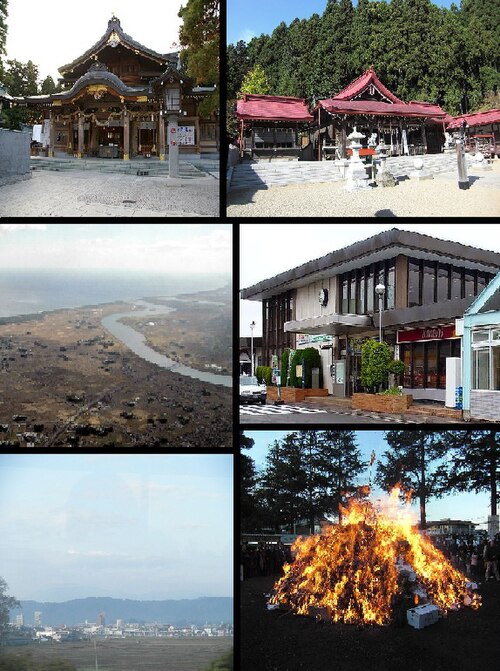
Iwanuma is a coastal city located in Miyagi Prefecture, Japan. Situated within the Tōhoku region, it lies approximately 30 kilometers northeast of Sendai, the capital city of Miyagi. Iwanuma was officially established as a city on January 1, 2006, following the merger of the towns of Iwanuma and Tōno, along with the village of Kōriyama. The city's geographical positioning along the Pacific coastline provides it with beautiful ocean views and a moderate maritime climate, characterized by warm summers and relatively mild winters. Iwanuma is well connected by transportation, with access to the East Japan Railway Company’s Tōhoku Shinkansen, allowing for efficient travel to major urban centers nearby.
As of the latest census, Iwanuma has a population of around 43,000 residents. The local economy is diverse, with agriculture and fisheries playing significant roles, alongside light manufacturing and retail services. The city's agricultural products are particularly noteworthy, with rice cultivation being a traditional staple. Iwanuma is also known for its beautiful landscapes, including parks and waterfront areas that enhance the livability and appeal of the city. The Iwanuma Seaside Park is a popular recreational spot, where residents and visitors can enjoy outdoor activities like jogging, cycling, and picnicking. The city holds several local festivals throughout the year, celebrating its cultural heritage and community spirit.
One of Iwanuma's significant historical landmarks is the Iwanuma Shrine, which features traditional Japanese architecture and is dedicated to the deities associated with agricultural prosperity. The city also faces challenges, particularly in relation to natural disasters, such as the 2011 Tōhoku earthquake and tsunami, which had a profound impact on the region. Recovery efforts have been an integral part of Iwanuma's development, with ongoing initiatives focused on disaster preparedness and community resilience. Despite these challenges, Iwanuma continues to thrive as a vibrant community that blends rich history, cultural heritage, and modern advancements, making it an attractive place to live and visit in Japan.
Facts about Iwanuma
- Iwanuma is renowned for its historical significance as an important site during the Edo period, particularly due to its strategic location near Sendai.
- The city is home to the Iwanuma Castle ruins, which date back to the 17th century and provide a glimpse into the feudal era of Japan.
- Iwanuma is distinguished by its exposure to nature and agriculture, particularly being famous for its production of high-quality rice, given its fertile land and climate.
- Each year, Iwanuma hosts the Iwanuma Matsuri, a vibrant local festival that showcases traditional Japanese culture through parades, food stalls, and performances.
- In 2011, Iwanuma was significantly affected by the Great East Japan Earthquake, which led to reconstruction efforts showcasing the city's resilience and community spirit.
- The city offers scenic views of the Seto Inland Sea, making it a unique location for outdoor activities such as hiking and nature photography.
- Iwanuma is a center for traditional crafts, including the production of unique hand-painted ceramics that reflect local aesthetics.
- The city is part of the Miyagi Prefecture, but it has its own distinct identity with a blend of urban and rural features, appealing to both residents and tourists.
- Iwanuma's cherry blossom viewing spots, especially along the banks of rivers, attract tourists each spring, making it a picturesque destination.
- The local area features the Iwanuma 'Yunoshima Hot Springs,' noted for their healing properties and stunning natural environment, which distinguishes it from other hot spring regions in Japan.