Izúcar de Matamoros, Mexico
- 42,936 people
- 12 places to visit
- 18.5991, -98.4678
Places to Visit (12)
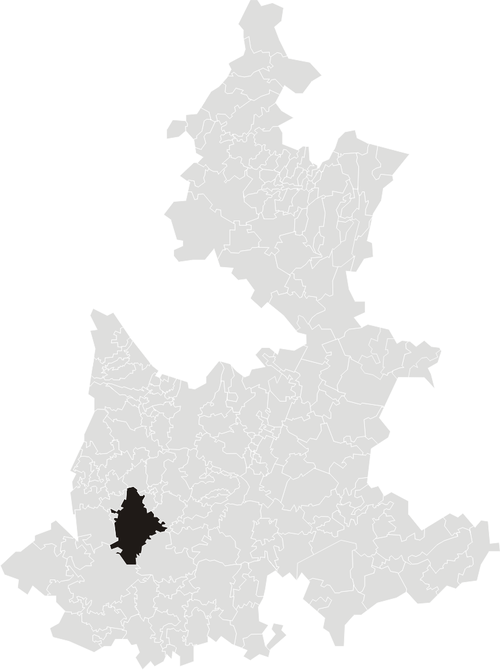
Izúcar de Matamoros is a city located in the state of Puebla in central Mexico. It serves as the municipal seat of the Izúcar de Matamoros municipality and is situated approximately 70 kilometers southeast of Mexico City. With a population of around 50,000 residents, it is one of the important urban centers in the region. The city is characterized by its rich cultural heritage, which reflects the historical influences of pre-Hispanic, colonial, and modern Mexican society. The architecture showcases this blend, with historical buildings such as the Parroquia de San Miguel Arcángel, a prominent parish church featuring Neo-Gothic elements, attracting visitors and locals alike.
The area around Izúcar de Matamoros is known for its agricultural production, particularly sugar cane, which has been a significant part of the local economy. The nearby landscapes are fertile, benefiting from the region's volcanic soil, making it suitable for various crops. Additionally, Izúcar de Matamoros hosts vibrant markets where local artisans sell traditional crafts, textiles, and foods, contributing to the town’s economy and cultural identity. The city is also noted for its annual festivals, such as the fiesta in honor of the city's patron saint, which draws both locals and tourists, showcasing traditional music, dance, and food. Overall, Izúcar de Matamoros represents a unique blend of history, culture, and economic activity that is indicative of rural Mexican life.
Facts about Izúcar de Matamoros
- Izúcar de Matamoros is known as the 'Land of the Dog' due to its historical association with the Aztec god of dogs, Mixcoatl.
- The city played a significant role during the Mexican War of Independence, serving as a strategic location for revolutionary forces.
- Izúcar is famous for its vibrant Day of the Dead celebrations, which feature unique altars and traditional cuisine that reflect the town's indigenous roots.
- The local cuisine is well-known for 'carnitas de cerdo', a traditional pork dish that is deeply rooted in the region's culinary culture.
- Izúcar de Matamoros is home to a historic 16th-century church called the Parroquia de San Miguel Arcángel, which showcases stunning colonial architecture.
- The city hosts the annual 'Fiesta de la Candelaria', a festival that attracts visitors for its colorful parades and cultural activities dedicated to the Virgen de la Candelaria.
- Izúcar has a rich textile tradition, particularly in the weaving of colorful rebozos (shawls), which are an important part of Mexican cultural heritage.
- The city is located at the confluence of several rivers, making it an area of rich biodiversity and fertile land, favoring agriculture, particularly avocado cultivation.
- Unlike many other towns, Izúcar has maintained numerous indigenous languages and customs, preserving a unique cultural identity.
- The town is a hub for folk dancing, with traditional dances often performed during festivals, showcasing the region's rich cultural heritage.