Jabalpur, India
- 1,030,168 people
- 11 places to visit
- 23.1686, 79.9339
Places to Visit (11)
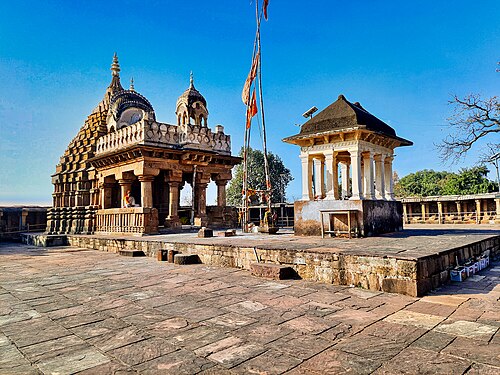
Jabalpur, situated in the central Indian state of Madhya Pradesh, is a significant historical and industrial city. It lies on the banks of the Narmada River and serves as the administrative headquarters of the Jabalpur district. Known for its rich heritage and strategic location, Jabalpur has played a crucial role in the trade and commerce of the region. The city is well-connected to major urban centers in India, including a railway junction that links it to important cities like Mumbai, Delhi, and Kolkata, making it an accessible destination for both business and tourism. The geographical setting of Jabalpur is characterized by picturesque landscapes, with the Vindhya and Satpura mountain ranges surrounding it, adding to its natural beauty.
Jabalpur is famous for its stunning marble rocks at Bhedaghat, a tourist hotspot where the Narmada River flows through towering limestone cliffs. Visitors can enjoy boat rides that offer captivating views of the white marble formations and the Dhuandhar Falls, where the water cascades down with a misty spray. Additionally, the city is home to several historical and cultural landmarks, including the Rani Durgavati Museum, which showcases the heritage of Gondwana, and the ancient Madan Mahal Fort, built in the 11th century. Jabalpur boasts a vibrant mix of cultures and communities, reflecting the diversity of India. The local cuisine features a blend of flavors, with specialties such as poha, jalebi, and various street foods that attract food enthusiasts.
As a prominent industrial hub, Jabalpur hosts a range of manufacturing sectors, including steel, agriculture, and defense. The city is also a center for education, with numerous colleges and universities contributing to the region's academic landscape. With its unique blend of history, culture, and modernization, Jabalpur continues to evolve while preserving its rich traditions. Its role as a major urban center in Madhya Pradesh makes it an essential part of India’s socio-economic framework, appealing to both residents and travelers alike.
Facts about Jabalpur
- Jabalpur is home to the renowned Marble Rocks at Bhedaghat, where the Narmada River flows between stunning white marble cliffs, creating a picturesque landscape.
- The city is known for its historical significance, as it played a key role in the Indian Rebellion of 1857, with notable events taking place in the region.
- Jabalpur is famous for the Dhuandhar Falls, a spectacular waterfall along the Narmada River, which is known for the mist that appears when the water cascades down the marble rocks.
- The city hosts the Rani Durgavati Museum, which showcases a rich collection of artifacts and art that reflect the cultural heritage of Madhya Pradesh.
- Jabalpur was the headquarters of the British during their rule in Central India, leading to its development as an administrative and military center.
- It is home to the iconic Madan Mahal Fort, built in the 11th century by the Gond kings, which offers stunning views of the surrounding area.
- Jabalpur is the site of the annual Jabalpur Trade Fair, one of the largest trade fairs in the region promoting local artisans and traders.
- The city is also known for Kanha National Park, which is just a short drive away and known for its population of Bengal tigers and diverse wildlife.
- Jabalpur has a unique cuisine, particularly famous for its variety of chaat and spicy street food, which is a blend of local flavors.
- Jabalpur is an important educational hub, housing renowned institutions such as the National Law Institute University and the Netaji Subhas Institute of Technology.