Jacksonville FL, United States
- 954,614 people
- 11 places to visit
- 30.3322, -81.6557
Places to Visit (11)
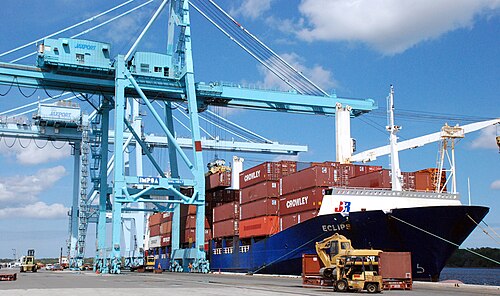
Jacksonville, Florida, located in the northeastern part of the state, is the largest city by area in the contiguous United States. This sprawling city encompasses over 874 square miles and sits at the mouth of the St. Johns River, where it meets the Atlantic Ocean. Founded in 1822 and named after Andrew Jackson, the seventh President of the United States, Jacksonville has grown to become a key economic and cultural hub in Florida. The city boasts a diverse population of over 900,000 residents, making it the most populous city in the state and the 12th most populous in the country. Jacksonville's economy is bolstered by sectors such as finance, healthcare, logistics, and tourism, with the city serving as a major transportation and distribution center due to its extensive network of highways and ports.
Culturally, Jacksonville offers a rich tapestry of experiences, including a vibrant arts scene and numerous recreational opportunities. The city's Historic Districts, such as Riverside and Avondale, showcase stunning architecture and local boutiques, while the downtown area features a growing number of restaurants, bars, and art galleries. Outdoor enthusiasts can enjoy Jacksonville’s extensive parks and natural spaces, including the Jacksonville Zoo and Gardens, the Timucuan Ecological and Historical Preserve, and the expansive beaches along the Atlantic coast, such as Jacksonville Beach and Neptune Beach. The city is also home to several popular annual events, including the Jacksonville Jazz Festival and the World of Nations Celebration, which highlight its diverse culture and community spirit. Additionally, Jacksonville is a professional sports city, featuring teams such as the NFL's Jacksonville Jaguars and the Jacksonville Armada FC in the North American Soccer League.
Education and healthcare contribute significantly to the city's community framework, with institutions like the University of North Florida and Jacksonville University playing pivotal roles in higher education. The city's healthcare systems, represented by renowned facilities like the Mayo Clinic, are recognized nationally for their cutting-edge services. Jacksonville’s strategic location, economic opportunities, and multifaceted cultural offerings make it a dynamic city that attracts residents and visitors alike, embodying the diverse spirit of Northeast Florida.
Facts about Jacksonville
- Jacksonville is the largest city by land area in the contiguous United States, covering about 874 square miles.
- The city is home to the historic Kingsley Plantation, one of the oldest surviving plantations in Florida, established in 1798.
- Jacksonville hosts the annual Jacksonville Jazz Festival, one of the largest free jazz festivals in the country, attracting thousands of visitors every year.
- The city has the ninth largest port in the U.S., the Port of Jacksonville, which plays a critical role in international trade, particularly with Latin America.
- Jacksonville was named after Andrew Jackson, the first military governor of Florida, and has a significant military presence with several naval bases, including Naval Station Mayport.
- The city boasts the largest urban park system in the U.S., with over 400 parks and numerous green spaces, providing ample recreational opportunities.
- Jacksonville is nicknamed 'The River City' due to the extensive waterways and the St. Johns River, which runs through the heart of the city.
- The city is known for its diverse culinary scene, particularly its seafood, and is famous for its fish fry events, especially during the annual 'World of Nations' celebration.
- Jacksonville's beaches are popular tourist destinations, with more than 22 miles of beaches along the Atlantic Ocean, making it a hub for surfing, fishing, and sunbathing.
- The city has a vibrant arts and culture scene, highlighted by the Museum of Contemporary Art Jacksonville and the annual Art Walk, which showcases local artists.