Jacmel, Haiti
- 137,966 people
- 4 places to visit
- 18.243, -72.5264
Places to Visit (4)
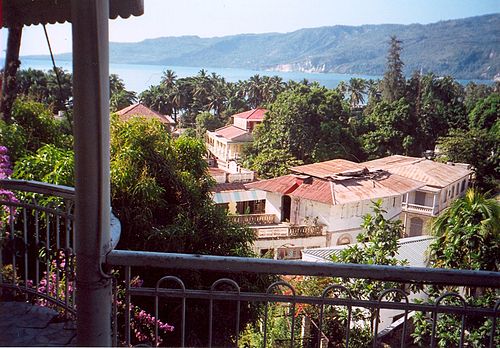
Jacmel, a coastal city located in the Sud-Est department of Haiti, is renowned for its vibrant culture, historical significance, and artistic heritage. Founded in the 18th century, Jacmel has grown from a bustling port town known for its export of coffee and decorative art to a popular tourist destination. The city is characterized by its colonial architecture, with beautifully preserved buildings displaying exquisite craftsmanship. The streets of Jacmel are often lined with colorful houses, and the bustling local markets showcase artisanal products, including the famous Jacmel carnival masks crafted from papier-mâché.
The city is also famous for its beautiful beaches, such as Jacmel Beach and Rayon Vert, attracting both locals and visitors seeking leisure and recreation. Jacmel's annual Carnival celebration, considered one of the largest and most vibrant in the Caribbean, draws thousands of participants who revel in parades featuring elaborate costumes, music, and dance. This event not only reflects the rich cultural heritage of the area but also serves as an important platform for local artists and musicians to showcase their talents. In addition to its cultural attractions, Jacmel has been a focal point for efforts aimed at rebuilding and revitalizing the local community following the devastating earthquake that struck Haiti in January 2010.
Today, Jacmel embodies a blend of tradition and modernity, making it an essential stop for those looking to experience Haiti’s rich history and artistic expressions. The city's commitment to promoting arts and culture continues to flourish, with numerous galleries and studios highlighting the work of local artisans. Efforts to preserve its natural beauty and historic architecture have also helped foster an atmosphere of resilience and creativity among its inhabitants. As a city that embraces its unique heritage, Jacmel stands as a testament to the enduring spirit of the Haitian people.
Facts about Jacmel
- Jacmel is renowned for its vibrant arts scene, particularly in the field of handicrafts, making it a hub for local artisans.
- The city is famous for its historical architecture, featuring well-preserved French Colonial buildings that date back to the 18th century.
- Jacmel is known for its annual Carnival, one of the most colorful and distinctive celebrations in Haiti, attracting visitors with its unique masks and costumes.
- It is home to the stunning Bassin Bleu, a series of natural pools and waterfalls that are a popular attraction for both locals and tourists.
- Jacmel was a significant center of commerce and culture in the 19th century, contributing to its rich history and cultural heritage that set it apart from other cities in Haiti.
- The city has a long tradition of filmmaking and is known as the 'Cultural Capital of Haiti,' hosting various film festivals.
- Jacmel's coastline is characterized by beautiful beaches, such as Jacmel Beach and Dauphin Beach, which offer a different scenery compared to the more urban landscapes of other cities.
- The local cuisine in Jacmel features unique seafood dishes influenced by the city’s coastal location, including the famous 'labouyi mayi' (cornmeal porridge).
- Jacmel is also recognized for its vibrant public art, with numerous murals showcasing the work of local artists and highlighting Haitian culture.
- The city played a crucial role in Haiti's independence movement and was the birthplace of several notable historical figures in Haitian history.