Jalālābād, Afghanistan
- 271,900 people
- 3 places to visit
- 34.4283, 70.4578
Places to Visit (3)
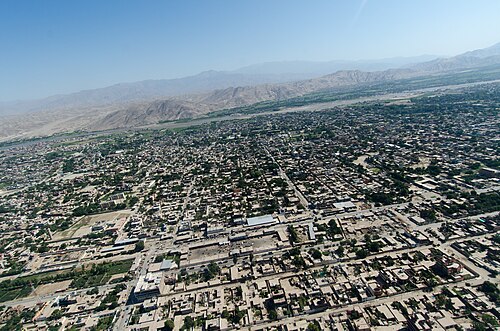
Jalālābād is the provincial capital of Nangarhar Province in eastern Afghanistan. Located along the Kabul River, approximately 150 kilometers east of Kabul, it serves as a significant cultural and economic hub for the region. Known for its strategic position, Jalālābād acts as a vital point along the route connecting Afghanistan with Pakistan, particularly through the Torkham border crossing. The city has a rich history that dates back to ancient times, with evidence suggesting that it has been inhabited for thousands of years. It has been influenced by various cultures and empires, including the Persian, Greek, and Mughal civilizations. Historically, the area was noted for its agriculture; fertile lands and favorable climate conditions have allowed for the cultivation of fruits, particularly pomegranates, which are a local specialty.
In recent decades, Jalālābād has faced numerous challenges due to ongoing conflict and political instability in Afghanistan. The city has witnessed significant violence, including periods of control by different factions, most notably the Taliban. Despite these challenges, Jalālābād has maintained a diverse population, consisting of Pashtuns, Tajiks, and other ethnic groups. The city's economy is primarily driven by trade and agriculture, but it also has a growing educational sector with several schools and institutions contributing to local capacity building. Jalālābād's culture is vibrant, characterized by traditional Afghan music, art, and cuisine, reflecting the rich heritage of the region. However, the social fabric is often strained by security issues, making everyday life unpredictable for its residents. The international community continues to monitor the situation in Jalālābād, as stability in the city is viewed as critical for the overall security and development of Afghanistan.
Facts about Jalālābād
- Jalālābād is strategically located along the Kunar River and serves as a vital trade route between Afghanistan and Pakistan, making it a key economic hub.
- The city has a rich history dating back to ancient times, and it was previously known as 'Ghazni Kalan' in historical records.
- Jalālābād is known for its unique geographical features, including its lush green valleys and proximity to the snow-capped mountains, differentiating it from the more arid regions of Afghanistan.
- The city has a pivotal role in the agricultural sector of Afghanistan, especially known for producing fruits such as pomegranates, apricots, and almonds.
- Jalālābād hosts the famous Bala Hissar, a historical fort that offers panoramic views of the city and surrounding areas, representing its historical military significance.
- In the mid-20th century, Jalālābād was recognized for its substantial development efforts, including infrastructure improvements that set it apart from other cities in Afghanistan during that time.
- The city has witnessed significant cultural influences due to its location, contributing to a blend of Pashtun and Persian cultures, distinct from other predominantly homogenous regions of Afghanistan.
- Jalālābād also serves as the capital of Nangarhar Province and plays a central role in local governance and administration.
- The city has seen various notable events, including being the site of the 1979 Soviet invasion, which marked its strategic importance during the Cold War era.
- Jalālābād is home to several educational institutions and is known for its support of higher education, differing from many other Afghan cities where education has face more challenges.