Jarocin, Poland
- 25,665 people
- 12 places to visit
- 51.9725, 17.5019
Places to Visit (12)
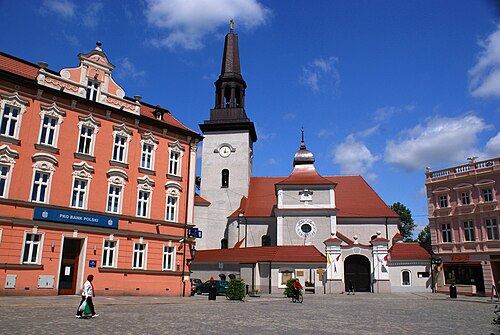
Jarocin is a picturesque town located in south-central Poland, within the Greater Poland Voivodeship. With a history dating back over a thousand years, Jarocin has evolved from a medieval settlement into a vibrant urban center, currently home to around 20,000 residents. The town is positioned approximately 90 kilometers east of Poznań, the regional capital, making it accessible for those traveling from major cities. This strategic location has facilitated trade and commerce throughout its history, contributing to Jarocin's growth and development.
Historically, Jarocin was first mentioned in documents in the 13th century. It gained municipal rights in 1383, cementing its status as an important local hub. The town features a rich architectural heritage, with striking landmarks such as the neo-Gothic church of St. Martin, constructed in the 19th century, and the former manor house, which reflects the affluent past of the local nobility. The town also hosts the Jarocin Cultural Centre, which plays a key role in promoting local events, festivals, and artistic initiatives, making culture a vital part of life in Jarocin. Additionally, Jarocin is known for its music festivals—most notably the Jarocin Festival—which began in the 1980s and attracted prominent Polish rock bands, contributing to the town's reputation as a cultural hotspot.
Jarocin's economy is diverse, encompassing agriculture, manufacturing, and services, reflecting the broader trends in the region. The town offers several educational facilities, including primary and secondary schools, ensuring that residents have access to quality education. The local infrastructure is well-developed, with good transport links, including road connections and a railway station that facilitates commuting. As a result, Jarocin is not only a historical town but also a dynamic community that blends its rich cultural heritage with modern living, making it an interesting place for both residents and visitors alike.
Facts about Jarocin
- Jarocin is known for its rich musical heritage, particularly as the site of the Jarocin Festival, one of the most important rock festivals in Poland, which began in the 1980s.
- The city has a well-preserved historic architecture, including the Church of St. Martin, which dates back to the 14th century and showcases Gothic and Baroque elements.
- Jarocin is home to the unique Jarocin Castle, which was built in the 16th century, reflecting the Renaissance style and offering a glimpse into the region's history.
- The city features a local tradition of ceramic production, which has been a significant part of Jarocin's cultural identity and craftsmanship for generations.
- Jarocin has a strong connection to the Polish band 'Kult', which first gained prominence during the Jarocin Festival, making the town synonymous with the Polish rock scene.
- The region surrounding Jarocin is known for its natural beauty, offering various outdoor activities, particularly in nearby forests and lakes, distinguishing it from many urban areas in Poland.
- Jarocin was an important hub during the industrial revolution in Poland, with its textile and food processing industries playing a significant role in the local economy.
- The city celebrates the Jarocin Fair, an event that highlights local products and crafts, providing a platform for artisans and enhancing Jarocin’s reputation as a cultural center.
- Jarocin has made notable contributions to Polish literature and arts, with several renowned Polish poets and writers having roots or connections to the city.
- The city is part of the Greater Poland Voivodeship, which is known for its historical significance and has played a crucial role in the formation of modern Poland.