Jarrow, United Kingdom
- 27,264 people
- 16 places to visit
- 54.9803, -1.4827
Places to Visit (16)
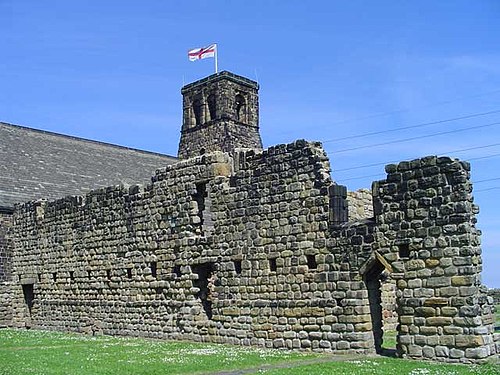
Jarrow is a town located in the Metropolitan Borough of South Tyneside, in Tyne and Wear, England. Situated on the south bank of the River Tyne, Jarrow is approximately 8 miles east of Newcastle upon Tyne and has a rich history that dates back to the early medieval period. One of its most notable historical landmarks is the Jarrow Hall, which was the residence of Bede, a revered monk and scholar known as the "Father of English History." Bede's extensive writings in the 8th century, particularly his "Ecclesiastical History of the English People," have had a lasting impact on the study of early English history. The town is also renowned for the Jarrow Crusade, a march in 1936 protesting unemployment and poverty in the region, which has become a symbol of working-class resilience.
In modern times, Jarrow has evolved into a blend of residential, commercial, and industrial areas. The town features a mix of traditional architecture and newer developments, with significant investment in public spaces and amenities. The River Tyne plays a crucial role in the local economy, and historical shipbuilding industries have been replaced by more diverse sectors, including retail and services. Jarrow is well-connected through various transport links, including the Metro system, which provides easy access to surrounding areas and the larger cities of Newcastle and Sunderland. Community events and cultural initiatives are prominent, bolstering Jarrow's identity and fostering a sense of community among its residents. As a town, Jarrow encapsulates a unique confluence of historical significance and contemporary growth, making it an integral part of the region's heritage and development.
Facts about Jarrow
- Jarrow is home to the historic St. Paul's Church, which dates back to the 7th century and is famous for its wooden Anglo-Saxon architecture.
- The town is known for the Jarrow Crusade of 1936, a significant march to London by unemployed men protesting against poverty and joblessness in the region.
- Jarrow is famous for its association with the Venerable Bede, a 7th-century monk and scholar, who is often referred to as the 'father of English history'.
- The Jarrow site was once a significant center for shipbuilding and was instrumental in the production of naval ships for both World Wars.
- The town hosts the annual Jarrow Festival, which celebrates local culture, arts, and community spirit with various performances and events.
- Jarrow is located on the River Tyne, providing a scenic waterfront that features the iconic Jarrow Slake nature reserve, home to diverse wildlife.
- In 2017, Jarrow marked the 1000th anniversary of the founding of the nearby Wearmouth-Jarrow Monastery, an important center of learning in the early medieval period.
- The Jarrow Hall, a historic manor house, is the birthplace of the famous artist and author, John William Waterhouse, known for his Pre-Raphaelite paintings.
- The town is part of the Metropolitan Borough of South Tyneside and has close historical ties with the formation of the coal mining industry in Northeast England.
- Jarrow's significance in early Christian history is recognized with various archaeological sites and remains that attract researchers and visitors alike.