Jastrzębie Zdrój, Poland
- 95,813 people
- 14 places to visit
- 49.9454, 18.6101
Places to Visit (14)
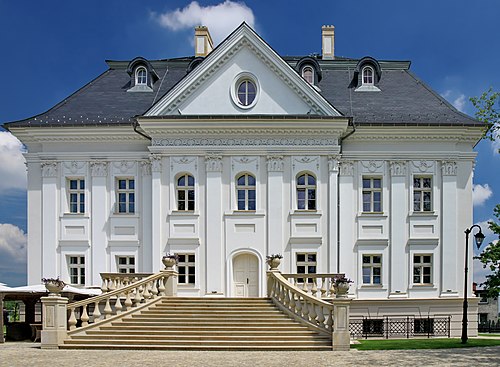
Jastrzębie Zdrój is a town located in southern Poland, within the Silesian Voivodeship. It is situated near the borders of the historical regions of Upper Silesia and is approximately 50 kilometers southwest of Katowice, the regional capital. Initially established as a health resort in the late 19th century, the town developed around its therapeutic mineral springs, with the term "Zdrój" meaning "spring" in Polish. The area attracted visitors seeking health benefits, and this prompted the construction of spas and health facilities. Jastrzębie Zdrój's mineral water, known for its high mineral content, contributed significantly to its reputation as a resort destination.
The town underwent significant industrial development in the 20th century, particularly following World War II, when it was designated as a center for coal mining. The establishment of several coal mines transformed Jastrzębie Zdrój into an important industrial hub within the region. This led to a population boom as workers migrated to the area for employment opportunities. Today, Jastrzębie Zdrój is characterized by its industrial heritage, with numerous remnants of mining architecture and a commitment to post-industrial revitalization. The local economy has diversified in recent decades, shifting focus from heavy industry to various sectors, including services and retail. Jastrzębie Zdrój is also known for its green spaces, parks, and recreational facilities, which provide residents and visitors with opportunities for outdoor activities and relaxation.
Culturally, Jastrzębie Zdrój hosts various events and initiatives that celebrate local traditions and promote community life. The town has sports clubs, cultural institutions, and educational establishments, contributing to its vibrant community atmosphere. Despite facing challenges associated with deindustrialization, Jastrzębie Zdrój retains its identity as a dynamic town with a rich history, blending its past as a health resort with its current role as a center for industry and community life. As Poland continues to evolve, Jastrzębie Zdrój remains a key player in the Silesian region, balancing the legacies of its industrial past with aspirations for sustainable growth and development.
Facts about Jastrzębie Zdrój
- Jastrzębie Zdrój is known for its rich deposits of therapeutic minerals, particularly in its spa areas, which have attracted visitors seeking health treatments since the 19th century.
- The city was originally established as a health resort in the early 1900s, distinguishing it from many other Polish towns that have industrial or historical foundations.
- Jastrzębie Zdrój has a unique combination of urban and natural environments, featuring numerous parks and green spaces, including the scenic ‘Jastrzębie Zdrój Forest’.
- The city is part of the Silesian Voivodeship, and it has a vibrant local culture that is deeply influenced by the Silesian heritage, including distinct dialects and traditional music.
- Jastrzębie Zdrój hosts various cultural and sports events, one of the most notable being the annual Silesian Fair, which showcases local crafts, foods, and performances.
- As a relatively young city, officially gaining town status in 1963, Jastrzębie Zdrój has rapidly developed its infrastructure, setting it apart from older Polish cities with historical cores.
- The city is home to the 'Zdrój' sports complex, which includes an array of facilities for various sports, reflecting the city's commitment to promoting an active lifestyle among its residents.
- Jastrzębie Zdrój has a strong presence in the coal mining industry, with the Jastrzębska Spółka Węglowa being one of the leading coal producers in Europe, highlighting its industrial significance.
- The city's location in the Silesian region places it on the border of both Polish and Czech influences, contributing to its unique cultural blend.
- Jastrzębie Zdrój is renowned for its focus on sustainable development, integrating green technologies into urban planning, which is a forward-thinking approach among Polish cities.