Javea, Spain
- 28,016 people
- 17 places to visit
- 38.789, 0.1661
Places to Visit (17)
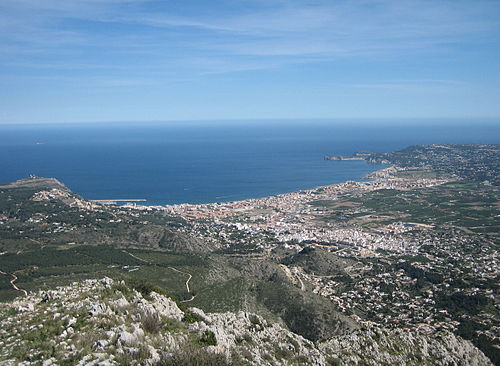
Javea, located on the eastern coast of Spain in the province of Alicante, is a picturesque coastal town that attracts visitors with its stunning natural landscapes, rich historical heritage, and vibrant cultural scene. Known locally as Xàbia, the town sits along the Costa Blanca and is nestled between the Montgó Natural Park and the Mediterranean Sea. Its geography is characterized by beautiful beaches, rugged cliffs, and a favorable climate that enjoys around 300 days of sunshine a year. The town boasts several popular beaches, including Arenal Beach, which features a lively promenade lined with restaurants and bars, and the less crowded Portichol and La Granadella beaches, known for their crystal-clear waters and scenic beauty.
Javea's history dates back to ancient times, with evidence of Roman and Moorish settlements in the area. The town retains a charming old quarter, where narrow cobbled streets lead to historical sites such as the 14th-century San Bartolomé Church and the 18th-century Montó de Santa Llúcia, a watchtower that offers panoramic views of the coastline. The local culture is celebrated through numerous festivals throughout the year, including the Festa de la Mare de Déu de Loreto, which honors the patron saint of fishermen, and the San Juan festival, marked by bonfires and fireworks. Gastronomy is also a highlight in Javea, with an array of dining options that showcase traditional Valencian cuisine, including rice dishes and fresh seafood, reflecting the region’s agricultural and maritime heritage.
In recent years, Javea has become increasingly popular with expatriates and tourists looking for a blend of relaxation and outdoor activities. Hiking, cycling, and water sports like snorkeling and sailing are readily accessible, thanks to the town's diverse topography and favorable coastal conditions. Javea's atmosphere is a unique combination of traditional Spanish culture and modern amenities, making it an appealing destination for those looking to experience authentic Mediterranean life. With its natural beauty, rich history, and vibrant community, Javea continues to capture the hearts of travelers from around the world.
Facts about Javea
- Javea is known for its stunning beaches and crystal-clear waters, making it a popular destination for water sports and beachgoers.
- The town features a unique blend of traditional Spanish architecture and modern developments, particularly in its Old Town area, which has preserved its medieval charm.
- Javea's Montgó Natural Park offers hiking opportunities, showcasing the region's rich biodiversity and stunning landscapes, making it distinct from many coastal towns in Spain.
- The town hosts a grape harvest festival, 'La Festa de la Verema', celebrating its local wine production, particularly the native Muscat grape.
- Javea is famous for its three distinct scenic areas: the Arenal beach, the Cap de la Nau headland, and the picturesque port, providing diverse coastal experiences.
- The town is home to several historical sites, including the 18th-century church of San Bartolomé, which features an impressive neoclassical bell tower.
- Javea's climate is classified as a microclimate, with mild winters and warm summers, contributing to its year-round appeal, unlike many other Spanish towns.
- The town hosts an annual International Jazz Festival, attracting musicians and tourists, making it a cultural hub in the region.
- Javea's local cuisine is famous for its traditional paella and other seafood dishes, highlighting the town's fishing heritage and culinary diversity.
- The annual Fiestas de San Juan, celebrating the summer solstice, features unique rituals such as bonfires on the beach, distinguishing it from festivals found in other parts of Spain.