Jaworzno, Poland
- 96,541 people
- 13 places to visit
- 50.205, 19.2739
Places to Visit (13)
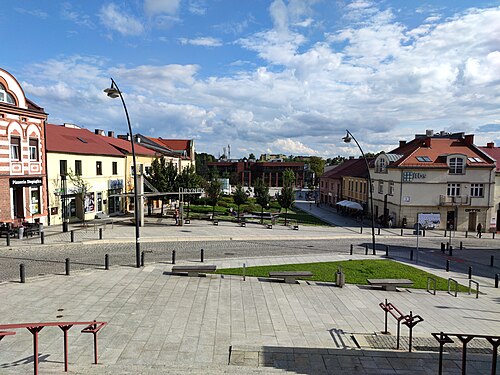
Jaworzno is a city located in southern Poland, within the Silesian Voivodeship. As of 2021, it has a population of approximately 80,000 residents. Situated in the Upper Silesian region, Jaworzno is strategically positioned near major cities such as Katowice, Kraków, and Sosnowiec, making it an integral part of the metropolitan area known as the Silesian Metropolis. The city covers an area of about 148 square kilometers and is characterized by its diverse geography, which includes hilly terrains, forests, and rivers. It has a rich history that dates back to the Middle Ages, with its first written mention appearing in the 13th century.
Historically, Jaworzno developed as a center for coal mining, which significantly influenced its economic landscape and demographic changes throughout the 19th and 20th centuries. The city's industrial heritage is evident in its former coal mines and factories, which played a crucial role in the economic development of the region. In the post-war period, Jaworzno underwent significant industrial expansion, attracting workers from various regions and contributing to a multicultural environment. Alongside its industrial past, the city has been revitalizing its economy by promoting services and real estate, especially with the decline of coal mining in Poland.
Culturally, Jaworzno offers a rich blend of traditions and modern amenities. The city hosts several cultural events, festivals, and art exhibitions, showcasing the vibrancy of its community. Key attractions include the Jaworzno Municipal Park, various historical buildings, and the remnants of its industrial heritage, which serve as reminders of its past. The city places significant emphasis on education, with multiple educational institutions, including schools and technical colleges, catering to its residents. Additionally, Jaworzno's strong community focus is reflected in numerous sports and recreational activities available for its inhabitants, fostering a sense of belonging. Overall, Jaworzno stands out as a city that balances its rich historical heritage with contemporary developments and cultural vitality.
Facts about Jaworzno
- Jaworzno has a unique geology that includes significant deposits of coal, contributing to its historical importance in the coal mining industry.
- The city is home to the highest elevation in the Silesian Upland, known as Chełm, which offers scenic views and recreational opportunities.
- Jaworzno is significant for its extensive underground water resources, which have led to the construction of water reservoirs and are crucial for the local economy.
- The city was an important center for the Polish resistance during World War II, with various underground groups operating to oppose German occupation.
- Jaworzno has a rich industrial heritage, being one of the first locations in Poland to adopt electric power for mining operations in the early 20th century.
- The city boasts a unique nature reserve called 'Bory Książenickie', which is known for its diverse ecosystems and is an important area for wildlife conservation.
- Jaworzno is known for its historical and traditional events, such as the annual 'Jaworzno Culture Festival' celebrating local arts and traditions.
- The city's development has been influenced by the presence of the Jaworzno Power Plant, one of the largest in Poland, which plays a pivotal role in the country's energy supply.
- Jaworzno is recognized for its progressive environmental initiatives, including the pursuit of green technologies and sustainable urban development.
- Jaworzno's historical architecture includes sites such as the Church of St. John the Baptist, which represents a mix of Gothic and Baroque styles, setting it apart from other city landmarks in Poland.