Jeju City, South Korea
- 486,306 people
- 33.4996, 126.5312
No places available for this city.
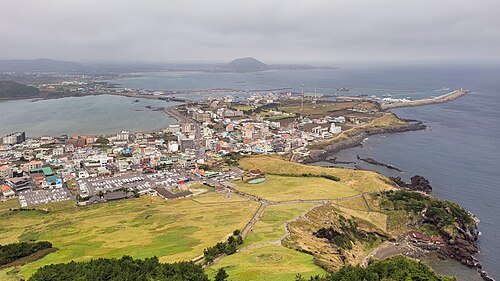
Jeju City is the capital of Jeju Province, located on Jeju Island, the largest island in South Korea. The city, situated on the southern coast of the Korean Peninsula, is known for its stunning natural beauty, unique volcanic landscapes, and rich cultural heritage. Jeju Island itself is famous for Hallasan, a dormant volcano that is also the highest mountain in South Korea, reaching an elevation of 1,947 meters. The island is part of UNESCO's Global Geoparks Network, which recognizes its geological significance and ecological diversity. Jeju City serves as the primary tourist hub for the island, attracting millions of visitors annually who seek to explore its scenic attractions, such as the breathtaking beaches, natural reserves, and waterfalls.
The city has a temperate climate, characterized by mild winters and warm summers, making it a year-round destination. Jeju City is well-equipped with various accommodations, restaurants, and shopping areas, offering visitors a blend of modern amenities and traditional Korean experiences. Notable attractions within the city include the Jeju Folk Village, where visitors can delve into the unique culture and history of the island, and the Dongmun Night Market, which is popular for its local street food and crafts. Jeju City also serves as a launching point for many outdoor activities available throughout the island, like hiking, cycling, and water sports, which capitalize on the island's stunning landscapes and coastal scenery.
In addition to its natural beauty and tourist infrastructure, Jeju City is also a cultural center. The city hosts several festivals throughout the year, including the Jeju International Windfestival and the Jeju Fire Festival, celebrating the island’s traditions and local culture. Jeju is also known for its distinctive language and dialect, known as Jeju or "Jejueo," which sets its residents apart from the mainland. As global interest in travel and eco-tourism grows, Jeju City continues to develop its reputation as a sought-after destination, promoting its unique blend of culture, nature, and hospitality.
Facts about Jeju City
- Jeju City is located on Jeju Island, which is the largest island in South Korea and is known for its unique volcanic landscapes.
- The city is famous for Hallasan, South Korea's highest mountain, a dormant volcano that is a UNESCO World Heritage Site and a prominent feature of Jeju's natural scenery.
- Jeju City has a distinctive local culture that includes the tradition of 'haenyeo' or female divers, who harvest seafood from the ocean without scuba gear, representing a UNESCO Intangible Cultural Heritage.
- Jeju is the only province in South Korea that has its own dialect, known as Jeju dialect, which is significantly different from standard Korean and has unique vocabulary.
- The city is known for its beautiful beaches, with popular spots like Hyeopjae Beach and Jungmun Beach attracting both domestic and international tourists.
- Jeju City hosted the 2016 Jeju Forum for Peace and Prosperity, highlighting its role in international dialogue and cooperation in East Asia.
- The city is a designated 'Special Self-Governing Province,' which provides it with a degree of administrative autonomy not seen in other South Korean cities.
- Jeju is renowned for its botanical gardens, such as Hallim Park and Jeju Stone Park, showcasing the island's diverse flora and subtropical climate.
- Jeju City features a number of unique traditional houses called 'bateaux,' which are characterized by thatched roofs and local stone walls that reflect the island's architectural heritage.
- The area is also known for its abundance of natural ingredients used in cuisine, especially tangerines and seafood, contributing to a rich culinary scene unique to Jeju.