Jēkabpils, Latvia
- 27,078 people
- 12 places to visit
- 56.5027, 25.8675
Places to Visit (12)
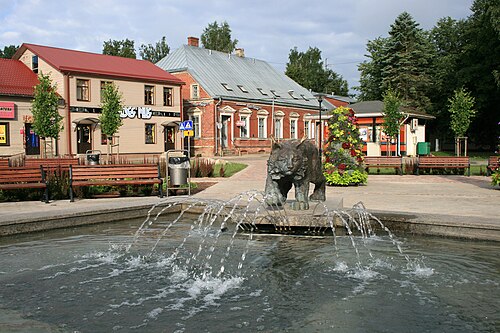
Jēkabpils is a city situated in Latvia's Vidzeme region, renowned for its rich history, picturesque rivers, and significant cultural heritage. Founded in the early 17th century, Jēkabpils grew around the strategic location of the Daugava River and the crossing of trade routes. The city was named after Bishop Jēkabs, the first bishop of the nearby cathedral city of Rīga. Over the years, Jēkabpils has evolved from a humble trade settlement into a vibrant urban center, undergoing various phases of development influenced by the political and socio-economic dynamics of the region. The city played an important role during multiple historical events, including Baltic participation in World War I and II, which significantly shaped its landscape.
Today, Jēkabpils boasts a range of attractions, including well-preserved architectural landmarks, parks, and a blend of modern amenities. Its notable structures include the red-brick Church of the Holy Virgin Mary, built in the 19th century, and the Jēkabpils Castle ruins, which are remnants of a medieval fortress. The city is a hub for culture and recreation, hosting various festivals and events throughout the year, celebrating local traditions, music, and arts. Furthermore, Jēkabpils is known for its natural beauty, with the Daugava and Salu rivers offering opportunities for boating and fishing, while nearby nature reserves provide habitats for diverse wildlife. As a center for education and commerce, Jēkabpils continues to attract residents, both local and from neighboring regions, contributing to its dynamic community spirit and economic growth.
Facts about Jēkabpils
- Jēkabpils is known as the 'City of Bridges' due to its multiple bridges spanning the Daugava and other rivers.
- The city was established in 1670 and has a rich history influenced by various cultures including Swedish, Polish, and Russian.
- Jēkabpils is home to the unique Jēkabpils Town Hall, built in the early 20th century, which features a distinctive neo-Gothic architectural style.
- The city hosts the annual Jēkabpils Festival, celebrating local culture and traditions with music, crafts, and food.
- Jēkabpils is strategically located on the banks of the Daugava River, making it an essential transport hub in Latvia’s trade routes.
- The city is recognized for the historic St. Nicholas Church, which dates back to the 18th century and features striking wooden architecture.
- Jēkabpils also has a vibrant arts scene, including the Jēkabpils Museum, which showcases local history, folklore, and art exhibits.
- The city played a significant role in the Latvian War of Independence, serving as a strategic location for military activities.
- Jēkabpils is known for the Jēkabpils Meat Factory, one of the largest and most famous meat processing plants in Latvia, contributing to local economy.
- The city is surrounded by nature, providing access to various outdoor activities, including hiking and cycling along the nearby rivers and forests.