Jelenia Góra, Poland
- 87,310 people
- 13 places to visit
- 50.9035, 15.7317
Places to Visit (13)
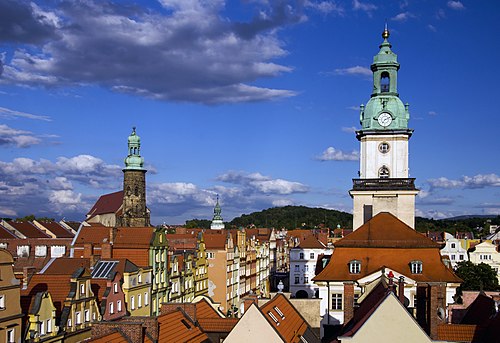
Jelenia Góra is a city located in southwestern Poland, in the Lower Silesian Voivodeship. It is situated at the confluence of several rivers, including the Bóbr and the Kamienna, and is surrounded by the picturesque landscape of the Karkonosze and Izera mountain ranges. This region is known for its rich natural beauty, making it a popular destination for outdoor activities such as hiking, skiing, and mountain biking. The city’s history dates back to the early Middle Ages, with its first written mention occurring in 1242. Jelenia Góra has a rich cultural heritage, having been influenced by various civilizations throughout its existence, including Polish, German, and Czech cultures.
The city is renowned for its well-preserved historical architecture, with numerous Gothic, Renaissance, and Baroque buildings that reflect its long and diverse history. Key landmarks include the 17th-century Town Hall, the Church of St. Erasmus, and the historic marketplace, which features colorful facades and vibrant cafes. Jelenia Góra is also a gateway to the Karkonosze National Park, home to the highest peak in the Czech Republic, Snieżka. As an important center for industry and commerce, the city has developed a diverse economy, though tourism remains a vital part of its identity. The annual Jelenia Góra Cultural Festival attracts visitors from near and far, showcasing local art, food, and traditions.
With a population of approximately 78,000 residents, Jelenia Góra offers a blend of urban and natural attractions, making it an appealing destination for both locals and tourists. The city's educational institutions, including several primary and secondary schools, contribute to its vibrant community. While it may not be as widely known as other Polish cities, Jelenia Góra’s charm, history, and breathtaking surroundings make it a hidden gem in the heart of Lower Silesia.
Facts about Jelenia Góra
- Jelenia Góra is known for its unique location in the valley of the Jelenia Góra River, surrounded by the Karkonosze Mountains, making it a gateway to both winter sports and summer hiking.
- The city boasts a rich history that dates back to the 13th century, with well-preserved medieval architecture, including the Gothic-style Church of St. Erasmus and the historic Market Square.
- Jelenia Góra is home to the Ducha Gór (Spirit of the Mountains) legend, which adds a mystical cultural aspect to the region, attracting visitors interested in folklore.
- The Jelenia Góra Valley is part of the Lower Silesian region, known for its thermal spa resorts, offering wellness opportunities uncommon in many other Polish towns.
- One of the notable events in Jelenia Góra is the International Film Festival - 'Camera Obscura', which attracts filmmakers and audiences from all over the world, celebrating cinematic arts.
- The city has a unique historical connection to the Silesian nobility, with many palaces and manor houses in the vicinity, such as the historic Cieplice Spa, established in the 12th century.
- Jelenia Góra is renowned for its glassmaking tradition, particularly the nearby town of Szklarska Poręba, where glass art is a significant part of the local culture and economy.
- The city's architectural highlights include the famous Palace in Wojanów, a stunning baroque building that is often used for cultural events and art exhibitions.
- Jelenia Góra is part of the Karkonosze National Park, offering exceptional nature experiences along with unique flora and fauna not commonly found in other parts of Poland.
- The city's annual Jelenia Góra Cultural Summer festival features a variety of artistic performances, showcasing local and international talent, thus enriching the local cultural landscape.