Jeongeup, South Korea
- 139,876 people
- 35.6026, 126.9059
No places available for this city.
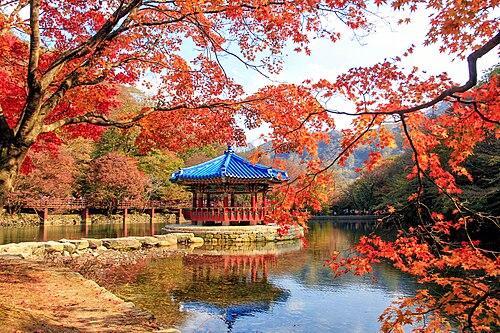
Jeongeup is a city located in North Jeolla Province, South Korea. Situated at the confluence of several key transportation routes, it serves as a significant regional hub. The city's history stretches back over a thousand years, with its establishment linked to the Silla Dynasty. Historically, Jeongeup has been a center of agriculture, commerce, and education, reflecting the broader economic trends of rural South Korea. It has experienced various transformations over the decades, moving from an agrarian base to a more diversified economy that includes manufacturing and services.
The city is characterized by its scenic landscapes, including mountains and rivers, making it a popular destination for outdoor activities. The Dongguksa Temple, a significant cultural landmark, showcases traditional Korean architecture and draws visitors seeking spiritual enrichment. Jeongeup is also known for its vibrant festivals, particularly the Jeongeup Sori Festival, which celebrates traditional music and culture, highlighting the region's rich artistic heritage. In addition, the presence of modern amenities, educational institutions, and healthcare facilities contribute to the city's growing appeal as a residence for families and individuals.
Jeongeup has embraced modernization while maintaining its cultural roots. It offers a blend of historical significance and contemporary living, making it an attractive destination for both locals and tourists. The integration of high-tech industries alongside traditional agricultural practices demonstrates Jeongeup's adaptability and forward-thinking approach. As South Korea continues to evolve, Jeongeup remains a city that balances its rich history with the demands of modern life, catering to the needs of its diverse population while preserving the essence of its cultural identity.
Facts about Jeongeup
- Jeongeup is known for its historic significance as it served as a major transportation hub during the Goryeo Dynasty.
- The city hosts the Jeongeup Cultural Center, which promotes local arts and cultural activities, distinguishing it from many other cities.
- Jeongeup is famous for its beautiful rolling hills and the surrounding nature, making it a popular destination for outdoor enthusiasts.
- The city has a unique tradition of hosting the Jeongeup Furey Festival, highlighting local cuisine and cultural heritage each fall.
- Jeongeup features the area known as the Jeongeupsa, a historic Buddhist temple dating back to the 7th century, showcasing the city's rich religious history.
- The region is known for producing high-quality rice, particularly the Jeongeup rice that is famous across South Korea for its taste and quality.
- Jeongeup is located near the Moaksan Mountain, which offers stunning hiking trails and is a key destination for nature lovers.
- The city has a rich agricultural background and is celebrated for its cultivation of various fruits, especially strawberries and pears.
- Jeongeup has a vibrant historical district where visitors can explore well-preserved traditional Korean houses, known as hanoks.
- The city promotes its unique ecological resources through the Jeongeup Eco Park, focusing on conservation and education about local flora and fauna.