Jepara, Indonesia
- 1,257,912 people
- 9 places to visit
- -6.5805, 110.679
Places to Visit (9)
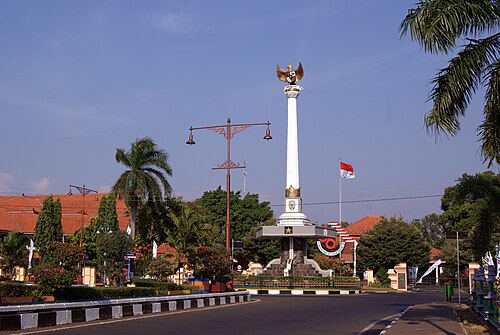
Jepara is a coastal city located in Central Java, Indonesia, renowned for its rich cultural heritage and vibrant maritime activities. Situated approximately 75 kilometers northeast of Semarang, the provincial capital, Jepara serves as the administrative center of Jepara Regency. Established as a significant trading port in the 15th century, the city gained prominence due to its strategic location along the Java Sea, facilitating trade both locally and internationally. Jepara is historically associated with the spread of Islam in Java, particularly through the influential Wali Songo, a group of Muslim missionaries. The city's historical architecture, notably the blend of Javanese and Islamic designs, reflects its cultural depth and legacy.
One of Jepara's most distinctive attributes is its status as a center for traditional wood carving and furniture making. Renowned for its exquisite craftsmanship, local artisans produce intricate carvings that celebrate nature and mythology, using materials such as teak wood. This industry has gained recognition both nationally and internationally, contributing significantly to the local economy. Additionally, Jepara is home to an array of attractions, including the beautiful Bangsri Beach, renowned for its clear waters and stunning sunsets, and the majestic Karimunjawa Islands, a national park that offers breathtaking landscapes and diverse marine life, drawing tourists and nature enthusiasts alike. Furthermore, local culture is vibrant, evident in traditional dances, music, and culinary experiences that include delicacies like sate kelinci (rabbit satay) and various seafood dishes. As a gateway to a rich cultural and natural heritage, Jepara continues to evolve as a blend of tradition and modernity, making it an intriguing destination in Indonesia.
Facts about Jepara
- Jepara is renowned for its intricate and high-quality woodcarving industry, often referred to as the center of Indonesian teak woodcraft.
- The city is home to the famous Mantingan Mosque, an exquisite example of Javanese architecture that reflects a blend of Islamic and indigenous art forms.
- Jepara was established as a key port city during the Majapahit Empire and played a significant role in trade in the Java Sea.
- The annual Jepara Festival celebrates local culture, traditional performances, and the unique maritime heritage of the region.
- Jepara is famous for producing the unique Sagen wood handicraft, which is often used in traditional Indonesian furniture.
- The nearby Karimunjawa Islands, part of Jepara district, are known for their stunning marine biodiversity and are a popular destination for snorkeling and diving.
- Jepara has a strong historical connection to Sunan Kalijaga, one of the Wali Songo (Nine Saints) who spread Islam in Java.
- The city is recognized for the production of various traditional Indonesian snacks, including the popular 'kue cubir' and 'kue lapis'.
- Jepara's coastline features beautiful beaches, such as Pantai Kartini, which is an important tourist attraction.
- Jepara's economy is significantly supported by the fishing industry, contributing to both local sustenance and trade.