Jequié, Brazil
- 127,475 people
- -13.8591, -40.0838
No places available for this city.
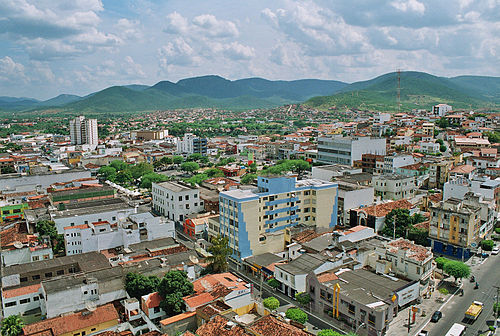
Jequié is a city located in the state of Bahia, Brazil, situated in the foothills of the Chapada Diamantina mountain range. Known for its striking landscapes and diverse fauna, Jequié is approximately 365 kilometers southwest of Salvador, the state capital. With a population of around 150,000 inhabitants, it serves as a regional hub for commerce, agriculture, and education. The city is characterized by its semi-arid climate, with a rainy season typically occurring between November and March, which is crucial for local agriculture. The economy of Jequié is largely based on agriculture, particularly the cultivation of fruits, vegetables, and livestock. The region is also noted for its mineral resources, with mining activities contributing to local employment and economic stability.
Culturally, Jequié is vibrant, with a rich historical background that includes influences from indigenous, African, and Portuguese heritage. The city hosts various festivals throughout the year that celebrate local traditions, music, and cuisine, attracting visitors from surrounding areas. One notable event is the Festa de São João, which takes place in June and features traditional music, dance, and food. The presence of cultural institutions, including theaters and museums, promotes the arts and history of the region. Additionally, Jequié is well-connected by road and has facilities such as schools and hospitals that serve its residents, enhancing the quality of life in the area. The community spirit in Jequié is strong, with residents actively engaging in various social and cultural initiatives aimed at improving the welfare of the city and its inhabitants.
Facts about Jequié
- Jequié is known as the 'Capital of the Middle South of Bahia,' serving as an important commercial and cultural hub in the region.
- The city is home to the unique 'Santo Antônio do Rio das Contas,' one of the oldest dams in Brazil, which plays a critical role in local agriculture and hydroelectric power.
- Jequié has a strong cultural connection to traditional Brazilian music, particularly in the genres of Sertanejo and Forró, hosting several music festivals throughout the year.
- The Feira Livre de Jequié, a vibrant open-air market, is famous for its diverse range of local produce, handmade crafts, and traditional Bahian food, attracting visitors from surrounding areas.
- Jequié's natural landscape includes unique geographical features, such as the picturesque Rio das Contas, which runs through the city and provides opportunities for outdoor activities.
- The city has a strong historical significance and is known for the 'Memorial do Sertão,' which celebrates the culture and history of the Sertão region, offering insights into the life and struggles of its people.
- Jequié hosts the annual 'Festa de Santo Antônio,' a major religious festival that attracts thousands of pilgrims and tourists each June.
- The central area of Jequié features several notable historical buildings, including the Church of São João Batista, which reflects classical architectural styles and serves as a local landmark.
- As a critical agricultural center, Jequié is recognized for its production of fruits like bananas, mangoes, and cashews, contributing significantly to the regional economy.
- Jequié has a distinctive climate characterized by a dry season and a rainy season, which influences local agricultural practices and lifestyles.