Jhang Sadr, Pakistan
- 341,210 people
- 31.2655, 72.3124
No places available for this city.
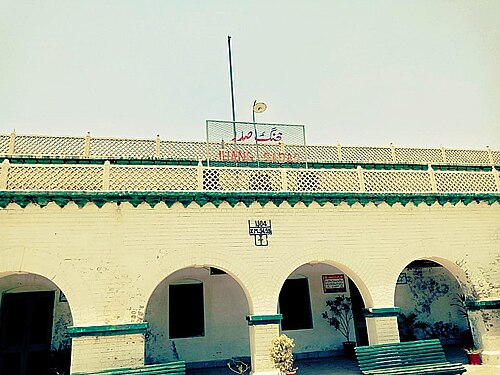
Jhang Sadr is a city located in the Jhang District of Punjab, Pakistan. It serves as the administrative headquarters of the district and is notable for its strategic positioning between major urban centers such as Faisalabad and Multan. The city lies on the banks of the River Chenab, which contributes to its agricultural significance. Jhang Sadr has a rich historical background, with roots tracing back to the time of the Indus Valley Civilization. The area is known for its diverse cultural tapestry, featuring a mix of Punjabi, Urdu, and Seraiki influences reflecting the region's historical interactions.
The economy of Jhang Sadr is primarily based on agriculture, with the fertile lands supporting the cultivation of various crops including wheat, cotton, and sugarcane. The city is also home to a number of small-scale industries, particularly in textiles and food processing. Jhang Sadr serves as a hub for local trade and commerce, providing essential services to the surrounding rural areas. The bazaar in the city is known for its vibrant atmosphere and is a focal point for the community. Additionally, the region is marked by traditional craft making, including pottery and hand-loomed fabrics.
Jhang Sadr is known for its educational institutions, which cater to a growing population seeking better educational opportunities. The city has several schools and colleges, as well as connections to larger universities in nearby cities. In terms of infrastructure, Jhang Sadr is well-connected through road networks, facilitating movement and trade. The population is predominantly young, contributing to a dynamic social fabric that is evolving with time. Local customs and festivals, such as Eid celebrations and the colorful Basant festival, highlight the vibrancy of the community. As part of Pakistan's cultural mosaic, Jhang Sadr reflects both the challenges and opportunities faced by smaller cities in the region, balancing traditional values with modern aspirations.
Facts about Jhang Sadr
- Jhang Sadr is known for its rich agricultural land and is a significant producer of crops such as cotton, wheat, and sugarcane, making it an important hub for Pakistan's agrarian economy.
- The city is historically significant as it served as a center for the Punjab region during various empires, including the Mughal Empire, leading to a blend of cultural influences in its architecture and traditions.
- Jhang Sadr is famous for the Shrine of Hazrat Sultan Bahu, a revered Sufi saint whose teachings attract pilgrims from across Pakistan, contributing to the city's spiritual significance.
- The city hosts the annual Mela Sufi Saint Sultan Bahu, which gathers thousands of devotees and showcases local culture, music, and dance, marking it as a vibrant cultural event in the region.
- Jhang Sadr is home to the historic fort of Jhang, which dates back to the Mughal era. The fort represents the strategic military importance of the area during its time.
- The city has a unique dialect of Punjabi that incorporates local slang and phrases, differing from the standard Punjabi spoken in other parts of Punjab, reflecting its distinct cultural identity.
- Jhang Sadr has produced notable figures in various fields, including politics, literature, and sports, contributing to Pakistan's national narrative and cultural landscape.
- The city has a substantial population of the Arain community, known for their agricultural background and significant contribution to the local economy and politics.
- Jhang Sadr's location along the River Chenab enhances its scenic beauty and provides opportunities for fishing and leisure activities, distinguishing it as a picturesque town.
- The city is known for traditional crafts and weaving, particularly the production of handmade carpets and textiles, which are sought after and contribute to the local economy.