Jhānsi, India
- 412,927 people
- 25.4484, 78.5685
No places available for this city.
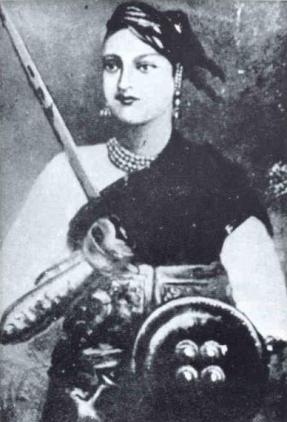
Jhānsi, a city in the northern Indian state of Uttar Pradesh, is steeped in history and culture, often celebrated for its significant role in the First War of Indian Independence in 1857. Located at the crossroads of major trade routes, Jhānsi has been a strategic stronghold since ancient times. The city is named after the ruler of the region, Raja Bir Singh Deo, who built the Jhansi Fort in 1613, a remarkable fortification that attracts many tourists today. The fort, perched on a hilltop, offers panoramic views and houses several temples and palaces, reflecting the city's rich heritage. Jhānsi is also associated with the valiant queen Rani Lakshmibai, a freedom fighter who became a symbol of resistance against British colonial rule.
In addition to its historical significance, Jhānsi is known for its vibrant cultural scene and economic growth. The city serves as a hub for education with numerous institutions, including colleges and universities, attracting students from various backgrounds. The local economy is diversified, with industries such as manufacturing, textiles, and agriculture playing pivotal roles. Festivals are an integral part of life in Jhānsi, especially Dussehra and Diwali, where the community comes together to celebrate with great enthusiasm. The city's blend of historical importance, cultural vibrancy, and economic potential makes it a fascinating destination for both domestic and international visitors.
Facts about Jhānsi
- Jhānsi is historically significant as the site of the Jhansi Fort, which played a crucial role during the Indian Rebellion of 1857, making it a key location in India's struggle for independence.
- The city is famously associated with Rani Lakshmibai, the queen of Jhansi, who is celebrated as a national hero for her leadership and bravery during the revolt against British rule.
- Jhānsi is part of the Bundelkhand region, which is known for its unique cultural heritage, including traditional folk music, dance, and crafts that are distinct from other parts of India.
- The city is home to the Jhansi Museum, which showcases a vast collection of artifacts, weapons, and paintings that narrate the history of the region and the valor of Rani Lakshmibai.
- Jhānsi has a rich history of being a hub for various dynasties, including the Chandela and Bundela Rajputs, who left behind magnificent temples and architectural structures.
- The annual Jhansi Mahotsav, a cultural festival, celebrates local arts, handicrafts, and performances, differentiating itself from other city fairs in India.
- Jhānsi is also known for its educational institutions, including the Bundelkhand University, which contributes significantly to higher education in the region.
- The city boasts of natural beauty with the nearby Orchha Wildlife Sanctuary, offering a unique blend of history and nature, uncommon in many urban areas.
- Jhānsi's traditional cuisine, including dishes like 'Bhutte ka Kees' and 'Puran Poli', has regional flavors that set it apart from other culinary traditions in India.
- The city's railway station is one of the oldest in India and has historical significance as a transport hub during the British colonial era.