Jhunjhunūn, India
- 113,193 people
- 28.1317, 75.4022
No places available for this city.
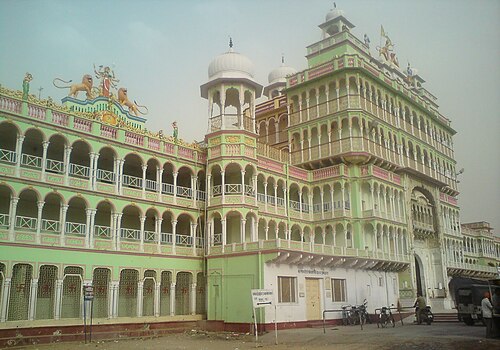
Jhunjhunu is a city located in the Jhunjhunu district of Rajasthan, India. Known for its rich cultural heritage and historical significance, it serves as an important urban center in the Shekhawati region. The city was founded in the 18th century and named after the Thakur of Jhunjhunu, Rao Shekha, who was a prominent ruler of the area. Jhunjhunu is characterized by its distinctive havelis, intricately carved mansions adorned with frescoes, which depict mythological themes and scenes from daily life. Many of these architectural marvels belong to the traditional business class called the "Marwaris," who played a crucial role in the economic development of Rajasthan through trade and commerce.
The economic fabric of Jhunjhunu includes agriculture, which remains a significant contributor to the local economy, alongside growing industries. The region is primarily known for its production of grains, pulses, and oilseed. Over the years, small-scale industries, particularly in textiles and handicrafts, have flourished, adding to the city's vibrancy. The city's strategic location on the way to Delhi and other major cities enhances its importance as a commercial hub. Moreover, Jhunjhunu promotes education, with several institutions catering to local and surrounding populations, fostering a knowledgeable workforce.
Culturally, Jhunjhunu hosts numerous festivals and events that reflect the traditional Rajasthani lifestyle. Major festivals such as Teej, Diwali, and Holi are celebrated with great enthusiasm, showcasing the region's vibrant customs and community spirit. The city also features several temples and historical sites, including the famous Khetri Mahal, which is an outstanding example of Indo-Saracenic architecture. With a blend of history, culture, and a growing economy, Jhunjhunu continues to draw interest from tourists and researchers alike, providing a glimpse into Rajasthan's rich heritage and evolving modern landscape.
Facts about Jhunjhunūn
- Jhunjhunu is known for its rich history as it served as a prominent center of the Shekhawati region, famous for its beautiful havelis and frescoes.
- The city is home to the historic Rani Sati Temple, dedicated to the goddess Rani Sati, which attracts thousands of devotees each year.
- Jhunjhunu has a significant number of step wells (baoris), which were originally constructed to provide water during the dry seasons, showcasing traditional Indian architecture.
- Known as the 'Gateway to Shekhawati,' Jhunjhunu is often visited by tourists seeking to explore the unique painted havelis that depict mythological themes and everyday life.
- The city hosts the Jhunjhunu Heritage Walk, an initiative aimed at promoting heritage tourism and educating visitors about the local history and culture.
- Jhunjhunu has a number of well-preserved forts, including the Jhunjhunu Fort, which is known for its intricate carvings and strategic significance.
- The city has contributed to India's freedom struggle, being a place where many local leaders and freedom fighters emerged during the colonial period.
- Jhunjhunu is also recognized for its traditional crafts, including pottery, tie-dye textiles (bandhani), and blue pottery, which reflect the local culture.
- The local cuisine of Jhunjhunu is distinctive, with traditional Rajasthani dishes such as dal baati churma and ghewar being popular among locals and tourists alike.
- Jhunjhunu is notable for organizing several cultural festivals throughout the year, which celebrate the arts, music, and local traditions, fostering community spirit.