Jijel, Algeria
- 131,513 people
- 2 places to visit
- 36.821, 5.7634
Places to Visit (2)
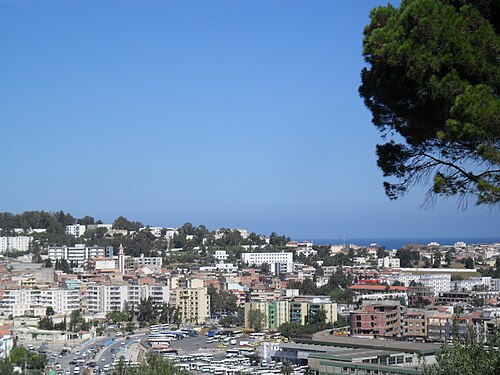
Jijel is a coastal city located in the northeastern part of Algeria, serving as the capital of the Jijel Province. Nestled along the Mediterranean Sea, it boasts a history that stretches back to antiquity, originally known as "Igilgili," which was an important settlement in the Roman Empire. The city is characterized by its picturesque natural landscape, featuring rugged mountains, forests, and beautiful beaches, making it a notable destination for both tourists and locals seeking outdoor recreational activities. It has a Mediterranean climate, with mild, wet winters and hot, dry summers, which further enhances its appeal as a coastal getaway.
Jijel's economy is predominantly based on agriculture, fishing, and tourism. The fertile lands surrounding the city are suitable for growing various crops, including grains and fruits, which contribute to the local economy. Additionally, fishing plays a crucial role, given the city's proximity to the sea and its rich aquatic resources. In recent years, Jijel has worked to develop its tourism sector, capitalizing on its scenic beaches—such as Sidi Abdelaziz and Tassili—and historical sites, including remnants of Roman architecture and ancient ruins. The city’s cultural heritage is reflected in its traditional crafts and culinary offerings, with seafood dishes being particularly popular among visitors. Furthermore, Jijel has made strides in infrastructure development to enhance accessibility and improve the overall experience for tourists.
Despite its natural beauty and cultural richness, Jijel faces challenges, including urban development issues and the need for improved economic diversification. However, the city's strategic location, coupled with its rich history and vibrant culture, positions it as a significant hub in Algeria's Mediterranean region. With ongoing efforts to promote sustainable tourism and harness local resources, Jijel continues to evolve while maintaining its charm, offering visitors a unique blend of natural allure and cultural depth.
Facts about Jijel
- Jijel is known for its stunning coastal scenery, featuring beautiful beaches and cliffs along the Mediterranean Sea.
- The city has a rich history dating back to ancient times, with nearby archaeological sites such as the Roman ruins of Timgad and the ancient city of Késeb.
- Jijel is famous for its production of olive oil, often referred to as 'liquid gold' in local culture, thanks to its ideal climate for olive cultivation.
- The town is home to the impressive 'Grotte de Beni Add' (Beni Add Cave), which is one of the largest caves in Algeria and attracts both tourists and researchers.
- Jijel has a unique blend of Berber and Arab cultural influences, offering a rich tapestry of traditions, language, and cuisine.
- The area surrounding Jijel is known for its lush natural parks, including the El-Kala National Park, which is a UNESCO Biosphere Reserve.
- Jijel's port is one of the oldest in Algeria, serving as a significant trading point throughout the Mediterranean Sea for centuries.
- The city hosts the annual Jijel International Film Festival, which showcases both national and international films, promoting cultural exchanges.
- Jijel boasts the 'Fort de Jijel,' a historical fortress built during the Ottoman era, which offers panoramic views of the city and the coast.
- The local economy of Jijel primarily relies on fishing and agriculture, with many residents engaged in traditional livelihoods that reflect the region's historical roots.