Jimma, Ethiopia
- 250,900 people
- 7.6753, 36.8373
No places available for this city.
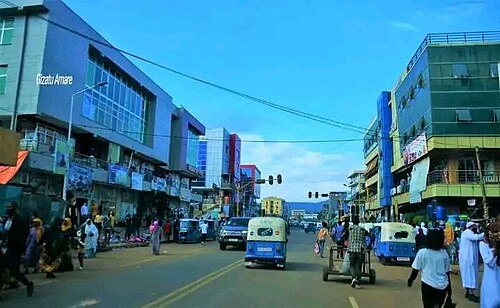
Jimma is a city located in the Jimma Zone of the Oromia Region in Ethiopia, situated roughly 352 kilometers southwest of Addis Ababa. With an elevation of about 1,780 meters (5,840 feet) above sea level, it is recognized for its scenic landscapes, which are characterized by lush greenery and rolling hills. Jimma has a rich history, serving as a significant historic center for the Kingdom of Jimma prior to its annexation into Ethiopia in the late 19th century. The city is known for its cultural diversity, primarily inhabited by the Oromo people, but it also includes various other ethnic groups and communities that contribute to its vibrant social fabric.
Economically, Jimma plays a crucial role in coffee production, being one of the primary coffee-growing regions in Ethiopia, often referred to as the birthplace of Arabica coffee. The city is surrounded by fertile lands that yield high-quality beans, making it an essential area for both local consumption and export. In addition to coffee, agriculture serves as a cornerstone of the local economy, with crops such as maize, teff, and various fruits sustaining the population. Jimma also serves as a regional trade center, facilitating commerce with surrounding rural areas. The city boasts a number of educational institutions, including Jimma University, which is one of the largest and most prestigious in Ethiopia, attracting students from various parts of the country and beyond.
The climate in Jimma is characterized as subtropical highland, with mild temperatures throughout the year that support its agricultural activities. The rainy season, which occurs from April to September, provides essential water for farming, while the dry season from October to March allows for harvesting. Jimma is also known for its historical sites, cultural festivals, and traditional music, which reflect the rich heritage of the Oromo people and other communities. The city's road and infrastructure development have improved over the years, connecting it more effectively with other major cities in Ethiopia, which supports its growth and accessibility as a key urban center in the region. Overall, Jimma is a city that combines a rich historical background with economic significance, making it an important hub in Ethiopia's socio-economic landscape.
Facts about Jimma
- Jimma is known as the birthplace of coffee; it is located near the forest where Arabica coffee was first cultivated.
- The city is famous for the Jimma University, one of the largest and most reputable universities in Ethiopia, established in 1999.
- Jimma is home to the historic Jimma Abba Jifar Palace, which served as the residence for the King of Jimma during the pre-Italian conquest period.
- The city has a rich history as a major trade hub in southwestern Ethiopia, particularly during the 19th and early 20th centuries.
- Jimma is a cultural melting pot with a diverse population, comprising various ethnic groups including the Oromo, sometimes referred to as 'the land of the Oromos'.
- The local economy in Jimma is heavily reliant on coffee production, with numerous coffee cooperatives and festivals celebrating the crop.
- Jimma is known for its unique architectural style, which features traditional mud and thatch houses, showcasing the area's culture and heritage.
- The Jimma Zone is characterized by its biodiversity and is part of the Green Legacy Initiative, aimed at combating deforestation in Ethiopia.
- The city holds an annual coffee festival, which attracts both local and international visitors to celebrate Ethiopian coffee culture.
- Jimma's climate is generally moderate and conducive to agriculture, making it one of Ethiopia's key agricultural centers.