Jīnd, India
- 161,260 people
- 29.3255, 76.2998
No places available for this city.
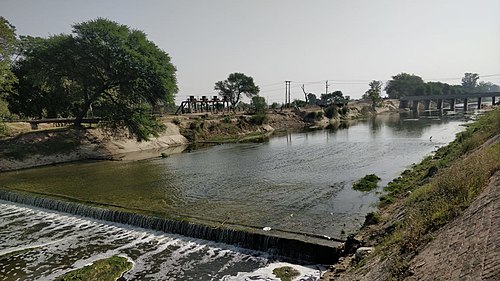
Jīnd is a city located in the northern Indian state of Haryana, serving as the administrative headquarters of the Jind district. Positioned approximately 110 kilometers northwest of the national capital, New Delhi, Jīnd is well-connected by road and rail, making it an important transportation hub in the region. The city has a rich historical legacy, with roots dating back to the Vedic period, and it is believed to have been founded around the 6th century AD. Historically, Jīnd has been associated with various rulers and empires, including the Mauryas, Guptas, and later, the British colonial rule. The name "Jīnd" is thought to be derived from the Jind family of rulers from the region.
Jīnd is known for its vibrant culture, which is a blend of traditional Haryanvi values and modern influences. The local economy mainly relies on agriculture, with wheat, sugarcane, and rice as prominent crops. Additionally, Jīnd has witnessed rapid urbanization over the last few decades, leading to the development of various industries, including textiles and manufacturing. The city’s demographic profile is diverse, comprising a mix of various communities and a significant population of Jats, who are predominant in this agrarian state. Jīnd is also notable for its educational institutions, which cater to a growing student population, further enhancing the city’s developmental prospects.
The city boasts several historical sites and temples that attract both local residents and visitors. Among these, the historic Jind Fort, built in the 18th century, showcases the architectural style of the era and is an enduring symbol of the city’s heritage. The Bhuteshwar Temple, dedicated to Lord Shiva, is another significant religious site, drawing devotees from surrounding areas. Festivals such as Teej, Diwali, and Lohri are celebrated with great enthusiasm, reflecting the rich cultural tapestry of Jīnd. In recent years, the government has invested in infrastructure development, including roads, healthcare, and public services, aimed at improving the quality of life for its residents. As Jīnd continues to grow and evolve, it remains a vital part of Haryana's identity and a city where tradition meets modernity.
Facts about Jīnd
- Jīnd is known for its historical significance and was a major center during the time of the Mahabharata, with various references to it in Indian epic literature.
- The city is home to the ancient Jind Fort, which dates back to the 18th century and showcases a blend of Mughal and local architectural styles.
- Jīnd hosts the annual Jīnd Mela, a vibrant festival that attracts thousands of devotees, promoting local culture and traditions.
- The city is a hub for the dairy industry and is recognized for producing high-quality milk and dairy products, contributing significantly to the local economy.
- Jīnd has a unique variety of local cuisine, with popular dishes such as 'Aloo-Tikki' and 'Jalebi' that reflect its rich culinary heritage.
- The city has a significant historical temple dedicated to Goddess Bhadra Kali, which is an important pilgrimage site attracting tourists and devotees alike.
- Jīnd is part of the historic region of Haryana and played a crucial role during the Indian independence movement, being home to many freedom fighters.
- It is also known for its educational institutions, particularly in the fields of science and technology, with several colleges dedicated to engineering and management.
- Jīnd railway station is an important junction that connects the city to various major cities in India, enhancing its accessibility and trade links.
- The city features a unique blend of urban and rural life, showcasing both industrial development and traditional agriculture, making it a diverse locale.