Jingdezhen, China
- 473,561 people
- 8 places to visit
- 29.2687, 117.1784
Places to Visit (8)
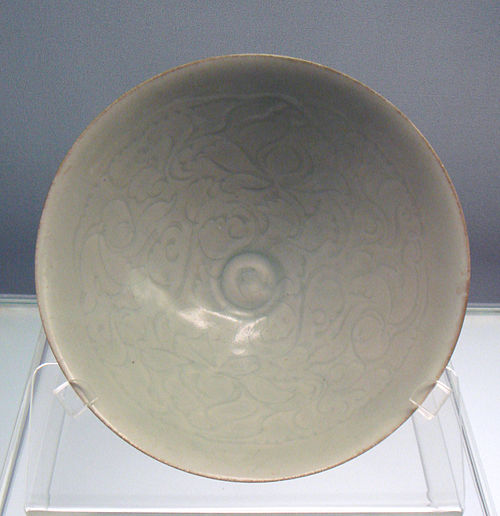
Jingdezhen, often referred to as the "Porcelain Capital" of China, is a city located in Jiangxi Province in southeastern China. With a history spanning over 1,700 years, Jingdezhen is renowned for its exceptional ceramics, particularly during the Song, Ming, and Qing dynasties. The city's name is derived from the reign title of Emperor Zhenzong of the Song Dynasty, who recognized the area's potential for high-quality pottery production. The local clay, abundant wood for fuel, and proximity to waterways made it an ideal location for the development of porcelain production. Over centuries, Jingdezhen developed sophisticated techniques and innovations, such as underglaze and overglaze painting, which contributed to its reputation as a center of artistic ceramic craftsmanship.
Today, Jingdezhen's rich pottery heritage continues to influence its economy and culture. The city attracts artisans, tourists, and scholars eager to explore its unique blend of traditional and contemporary ceramics. In addition to numerous kilns and pottery workshops, Jingdezhen boasts several museums, including the Jingdezhen Ceramic Museum, which showcases the history and evolution of porcelain art. The local government actively promotes ceramic culture through festivals, exhibitions, and educational programs, fostering a vibrant art scene. Moreover, the gradual integration of modern designs and international collaborations has allowed Jingdezhen's pottery to maintain relevance in the global market. This blend of tradition and innovation has positioned Jingdezhen as not only a historical center of porcelain production but also a dynamic locale for ceramic art in the modern age.
Facts about Jingdezhen
- Jingdezhen is renowned as the 'Porcelain Capital' of China, with a history of porcelain production that dates back over 1,700 years.
- The city hosted a major porcelain production center during the Song dynasty (960–1279 AD), leading to its reputation for high-quality ceramics.
- Jingdezhen porcelain was highly sought after in international trade, influencing ceramics production in regions such as Europe and Japan during the Ming and Qing dynasties.
- The city features the Jingdezhen Ceramic Museum, which showcases the history and artistry of porcelain production, including historical artifacts and modern works.
- Jingdezhen hosts the annual International Ceramics Festival, attracting artists and enthusiasts from around the world to celebrate and promote ceramic art.
- The city is home to the famous 'Blue and White' porcelain, characterized by its intricate blue designs on a white background, a style that originated in Jingdezhen.
- Jingdezhen's unique local clay and production techniques contribute to its distinctively fine and durable porcelain, setting it apart from other ceramics produced in China.
- The city has a vibrant community of contemporary ceramic artists, making it a hub for both traditional and modern ceramic art.
- Jingdezhen has been recognized for its cultural significance and is listed as part of China's National Intangible Cultural Heritage.
- The town's numerous kilns, including the ancient remains of the imperial kiln, are significant historical sites and provide insights into traditional Chinese pottery methods.