Jingmen, China
- 632,954 people
- 3 places to visit
- 31.0355, 112.1994
Places to Visit (3)
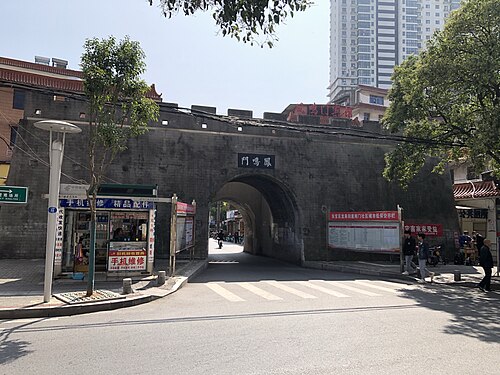
Jingmen is a city located in the central part of Hubei Province, China. Situated on the banks of the Ying River, Jingmen covers an area of approximately 19,500 square kilometers and serves as the administrative center of Jingmen Prefecture. The city has a rich history that dates back to ancient times, with archaeological evidence indicating that it was inhabited by the Warring States period (475–221 BCE). Today, Jingmen has developed into an important transportation and industrial hub, linking key cities in the broader central China region, including Wuhan and Yichang. Its geographical location contributes to its role as a logistical nexus for various industries, such as metallurgy, machinery, and textiles.
Jingmen is also noted for its natural beauty and cultural heritage. The city is surrounded by scenic landscapes including mountains and rivers, with notable attractions such as the famous Dongjin Lake, which is a popular site for recreational activities. The area is rich in cultural sites, including historic temples and ancient architecture that reflect its historical significance and the evolution of its urban environment. The city also celebrates various traditional festivals, enriching its local culture and attracting visitors. Over the years, Jingmen has seen significant investments in infrastructure, education, and healthcare, leading to a growing economy and improved quality of life for its residents. A balanced blend of modern industry and traditional culture makes Jingmen a unique destination in China, contributing to its status as a vibrant city within the region.
Facts about Jingmen
- Jingmen is known for its unique geographical position, located at the confluence of the Yangtze River and the Han River, making it a significant transportation hub in Hubei province.
- The city is home to the historic Jingmen Big Buddha, which is one of the largest sitting Buddha statues in central China and is a popular pilgrimage site.
- Jingmen has a rich historical background, with archaeological sites that trace back to the Neolithic period, indicating its long-standing habitation.
- The city was a strategic military location during the Second Sino-Japanese War and has several preserved historical war sites and memorials.
- Jingmen is famous for its traditional craft of bamboo weaving, which showcases the local artisans' skills and is a distinct cultural heritage.
- The city has its own distinct cuisine, featuring local dishes such as Jingmen hot dry noodles, which offers a different culinary experience compared to other regions in China.
- Jingmen is well-known for its abundant natural resources, including tea plantations, especially the famous Jingmen green tea, which is celebrated for its quality and flavor.
- The annual Jingmen International Cherry Blossom Festival attracts thousands of visitors each spring, featuring stunning cherry blossom displays unique to the region's climate.
- Jingmen is recognized for its 'Cranes of Jingmen' art festival, celebrating local artists and their works, which helps promote cultural exchange within the community.
- As of the latest census, Jingmen's population has grown steadily, making it a growing urban area that blends modern development with its rich historical essence.