Jingzhou, China
- 1,052,282 people
- 5 places to visit
- 30.3348, 112.2407
Places to Visit (5)
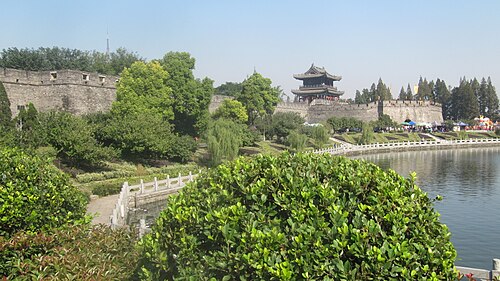
Jingzhou, located in Hubei Province, China, is a historical city that fuses rich cultural heritage with modern development. Situated on the banks of the Yangtze River, Jingzhou serves as an important transportation hub, linking various regions and facilitating trade. The city has a history dating back over 2,000 years, and it has played a significant role in Chinese history, particularly during the Three Kingdoms period. It was known as a key military stronghold and administrative center throughout various dynasties, a factor that continues to influence its cultural landscape today. The city's infrastructure reflects its historical significance, with ancient city walls, temples, and relics that attract historians and tourists alike.
One of Jingzhou's most notable features is its well-preserved ancient city wall, which was first constructed during the Warring States period and later expanded. Visitors can walk along the ramparts, gaining insights into the city's history while enjoying views of the surrounding landscape. Additionally, the Jingzhou Museum houses an extensive collection of artifacts, including relics from the Chu State, which flourished in the area during the early periods of Chinese civilization. The museum emphasizes the importance of Jingzhou in the cultural evolution of China, showcasing its historical figures, innovations, and arts. The city also celebrates its heritage through various festivals and events, which highlight traditional customs, local cuisines, and performing arts.
In recent years, Jingzhou has witnessed economic growth driven by industrial development and tourism. Its strategic location near the Yangtze River has bolstered its economy, attracting investments in manufacturing, agriculture, and service sectors. As the city modernizes, it remains committed to preserving its cultural identity and historical sites. The blend of ancient charm and contemporary life makes Jingzhou a compelling destination for both domestic and international visitors, offering a unique perspective on China's storied past and its dynamic present. Despite the changes, Jingzhou retains a sense of continuity, reminding visitors of the rich tapestry of Chinese history and the enduring legacy of its ancestors.
Facts about Jingzhou
- Jingzhou is known for its ancient city walls, which are among the best-preserved examples of city fortifications in China, dating back to the Ming Dynasty.
- The city is a significant historical center during the Three Kingdoms period, particularly associated with the warlord Liu Bei and the strategist Zhuge Liang.
- Jingzhou is home to the Jingzhou Museum, which hosts a vast collection of over 40,000 relics, including the famous Hubei Wu Tombs artifacts from the Chu Dynasty.
- The city features the ancient Zhangjiajie Bridge, a remarkable architectural feat built in 1983 that showcases traditional Chinese construction techniques.
- Jingzhou is also known for its rich history of textiles, particularly the renowned Jingzhou brocade, which has been produced for over 1,000 years.
- The city is situated on the banks of the Yangtze River and uses its strategic location for significant commerce and trade throughout Chinese history.
- Jingzhou is recognized for its unique local cuisine, highlighting river fish and seasonal vegetables, with dishes like Jingzhou hot dry noodles being particularly popular.
- The annual Jingzhou Water Lantern Festival celebrates local traditions and attracts visitors to witness the beautiful lanterns floating on the river.
- Jingzhou has been declared a National Historical and Cultural City, acknowledging its contributions to Chinese culture and history.
- The area surrounding Jingzhou is rich in archaeological sites, including numerous ancient tombs and relics that provide insights into early Chinese civilization.