Jinjiang, China
- 1,416,151 people
- 19.7288, 110.0085
No places available for this city.
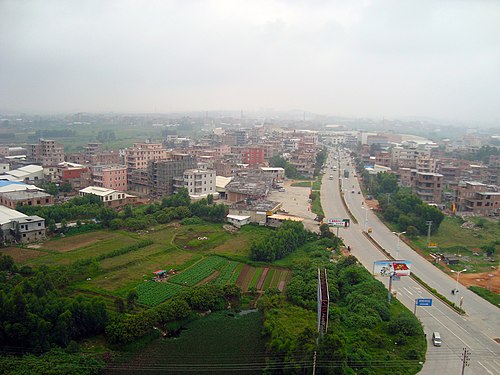
Jinjiang is a city located in the Fujian province of southeastern China. It is administratively a county-level city under the jurisdiction of Quanzhou. Situated along the Taiwan Strait, Jinjiang covers an area of approximately 1,750 square kilometers and boasts a population exceeding 1.5 million residents. The city has a long-standing history, with origins dating back over a thousand years. Jinjiang was historically known as a vital commercial hub and has maintained its economic significance throughout the centuries, particularly as a center for trade during the Song and Ming dynasties.
Modern-day Jinjiang has evolved into a thriving industrial and economic powerhouse. The city is recognized as one of China's major manufacturing bases, particularly in the footwear and textile industries. It is home to numerous well-known brands, including Aokang and 361 Degrees, which have gained recognition both domestically and internationally. Additionally, Jinjiang has diversified its economy to encompass other sectors such as electronics, machinery, and food processing, further contributing to its robust economic development. The city benefits from rich cultural traditions, blending old and new, and is famous for its unique Hokkien cuisine, traditional arts, and historical sites, including the majestic Daqing Mountain and numerous temples.
Jinjiang's strategic location, coupled with its comprehensive transportation network, enhances its accessibility and connectivity. The city is served by an extensive system of highways and railways, linking it to major urban centers such as Xiamen and Fuzhou. Jinjiang Airport facilitates domestic and international travel, enhancing its role as a logistical hub in the region. As part of China's broader economic reforms and development strategies, Jinjiang continues to invest in infrastructure and technology, aiming to boost its competitiveness further. The city's commitment to modernizing industries while preserving cultural heritage makes it a fascinating example of China’s transitional urban landscape.
Facts about Jinjiang
- Jinjiang is known as the 'Fujian shoe capital' due to its significance in footwear manufacturing, hosting several of the world's leading shoe brands.
- The city has a rich history, with traces of civilization dating back over 2,000 years and being part of the ancient Kingdom of Min.
- Jinjiang is home to the famous Quanzhou Maritime Museum, which showcases the region's maritime history and its role in the Maritime Silk Road.
- The city hosts the Jinjiang International Tea Culture Festival, celebrating its historical connection to tea production and trade.
- Jinjiang features the only Confucian temple still in use in Fujian Province, highlighting its cultural and educational significance.
- Jinjiang is known for its unique culinary offerings, particularly the Jinjiang meat pie (Jinjiang roubing), which is distinct to the region.
- It is the birthplace of several prominent Chinese figures, including the famous writer Hu Shih, known for his role in the New Culture Movement.
- Jinjiang has a burgeoning sports culture, being home to numerous professional sports teams and the Jinjiang Sports Center, which hosts national events.
- The city has experienced rapid economic growth over the past few decades, becoming an important industrial hub within Fujian Province.
- Jinjiang is one of the few cities in China where you can still see traditional dragon boat races, a reflection of its rich local traditions.