Jiujiang, China
- 1,164,268 people
- 9 places to visit
- 29.6606, 115.9541
Places to Visit (9)
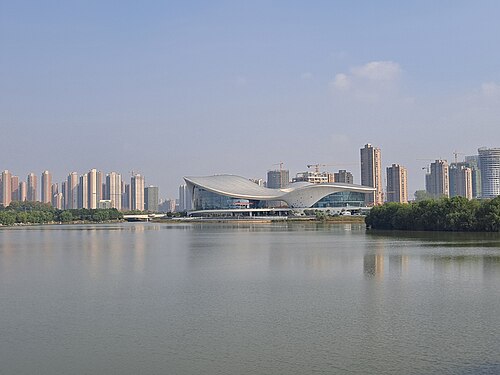
Jiujiang is a picturesque city located in Jiangxi Province, China, on the southern banks of the Yangtze River. It serves as a significant transportation hub due to its strategic position near the river, which has historically made it vital for trade and commerce. With a population of over 400,000 residents in the urban area, it is known for its rich cultural heritage and stunning natural landscapes, including views of the surrounding mountains and the famous Poyang Lake, the largest freshwater lake in China. Jiujiang's history dates back more than 2,000 years, and it has been a critical location throughout various dynasties, earning recognition for its historical sites and artifacts.
The city boasts several notable attractions, including the Lushan Mountain, a UNESCO World Heritage site famous for its beautiful scenery, unique climate, and rich biodiversity. The mountain has been a favorite retreat for scholars and artists throughout Chinese history, and its cultural significance is underscored by the numerous temples, villas, and literary relics found within its vicinity. Additionally, Jiujiang is well-known for its production of high-quality rice, tea, and bamboo products, and its economy has diversified to include a mix of manufacturing and services. With a blend of ancient traditions and modern developments, Jiujiang continues to attract visitors who seek to experience its historical charm and natural beauty while contributing to the region’s economic growth.
Facts about Jiujiang
- Jiujiang is known for its significant historical role as a port city on the Yangtze River, serving as a trade hub since ancient times.
- The city houses the famous Lushan Mountain, a UNESCO World Heritage Site, renowned for its breathtaking natural scenery and cultural significance.
- Jiujiang was one of the first cities in China to adopt western education and cultural practices during the late Qing Dynasty, influencing many educational reforms in China.
- The Qiushui River in Jiujiang is a prominent feature, enhancing the city's picturesque landscape and offering recreational opportunities for both locals and tourists.
- As a major transportation hub, Jiujiang connects several key railways and highways, making it a critical point for logistics and trade in central China.
- The city celebrates the annual Jiujiang International Bamboo Music Festival, showcasing local culture and the unique bamboo artisanship of the region.
- Jiujiang is famous for its rich tea culture, particularly the production of 'Lushan Yunwu' tea, which is highly prized for its quality and flavor.
- The ancient town of Xunyang in Jiujiang features well-preserved historical architecture and offers insights into China's past, attracting historians and tourists alike.
- Jiujiang has a diverse population that includes various ethnic groups, contributing to its unique cultural fabric and local traditions.
- The city plays host to the historic Jiujiang Yangtze River Bridge, which is one of the most important transport connections over the Yangtze and was a significant engineering achievement when completed.