Jōetsu, Japan
- 189,430 people
- 15 places to visit
- 37.1479, 138.2361
Places to Visit (15)
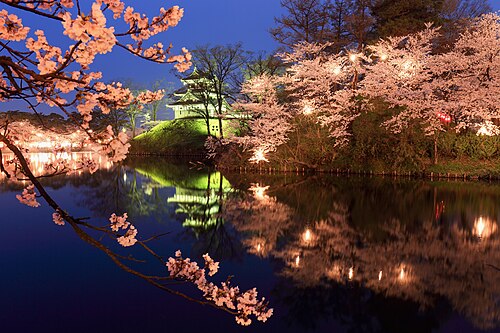
Jōetsu is a city located in Niigata Prefecture on the western coast of Honshu, Japan. It has a rich history and was initially developed as a key post town along the Ōshū Highway, which connected the Kanto region with the northern provinces. The city officially became a city on April 1, 2003, through the merger of several municipalities, including Takada, Myōkō, and sections of other towns. Jōetsu has a population of around 180,000 residents and encompasses an area of approximately 1,350 square kilometers. It is known for its beautiful natural scenery, including the adjacent Myōkō-Togakushi Renzan National Park, which features mountains, forests, and rivers, making it a destination for outdoor enthusiasts.
Economically, Jōetsu has a diverse base, including agriculture, fishing, and manufacturing. The region is particularly famous for its rice production, particularly Koshihikari, which is widely regarded as one of the best rice varieties in Japan. The local economy is also supported by the fishing industry, especially the catch of shrimp, squid, and various types of fish from the Sea of Japan. Tourism is another vital aspect of Jōetsu’s economy; visitors come to enjoy local hot springs, traditional Japanese festivals, and historical landmarks such as the Takada Castle, which is celebrated for its cherry blossoms in spring. Cultural events, including the Jōetsu Chōsen Fireworks Festival and the Takada Castle Cherry Blossom Festival, attract tourists and foster a sense of community pride.
Transportation in Jōetsu is facilitated by several major routes, including the Kanetsu Expressway and the Joetsu Shinkansen, which connects the city with Tokyo and other urban centers. This accessibility has enabled the city to expand its influence as a regional hub for commerce and tourism. Additionally, Jōetsu is home to a number of educational institutions and cultural organizations, contributing to the city's vibrant community life. The mixture of historical significance, natural beauty, and cultural richness makes Jōetsu an intriguing destination within Japan, reflecting the country's blend of tradition and modernity.
Facts about Jōetsu
- Jōetsu is known for its significant historical connection to the 16th-century warlord Uesugi Kenshin, who was one of Japan's most famous samurai leaders.
- The city is home to the historic Takada Castle, which is renowned for its beautiful cherry blossom trees, attracting thousands of visitors every spring during the Takada Castle Cherry Blossom Festival.
- Jōetsu has a unique geographical feature: it is located at the junction of two major rivers, the Agano River and the Seki River, contributing to its rich agricultural land.
- The area is famous for its production of high-quality sake, particularly the Jōetsu-style sake, which is celebrated for its delicate flavor and aroma.
- Jōetsu hosts the annual 'Jōetsu Kite Festival', where large, colorful kites are flown, showcasing the city’s local tradition and craftsmanship.
- In addition to its historical significance, Jōetsu is also known for its onsen (hot springs), particularly in the area of Murakami, offering a relaxing retreat for visitors.
- The city played a crucial role during Japan's Edo period as a key transportation hub, which allowed for the efficient movement of goods and people through the region.
- Jōetsu is celebrated for its local cuisine, especially its seafood, including fresh fish and shellfish sourced from the nearby Sea of Japan.
- The city is a gateway to the ancient Jōetsu Seki, once an important checkpoint along the Nakasendō highway, highlighting its historical relevance in Japan's travel network.
- Jōetsu was a participant in the 'Five Great River Battles' during the Warring States period, emphasizing its strategic military importance in Japan's history.