Johnstown PA, United States
- 19,966 people
- 18 places to visit
- 40.3267, -78.922
Places to Visit (18)
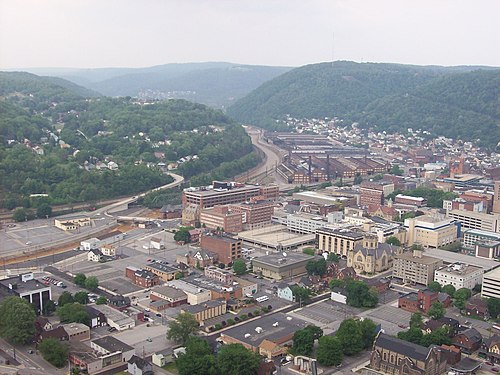
Johnstown, Pennsylvania, is a city rich in industrial history and cultural significance, located approximately 60 miles east of Pittsburgh in Cambria County. Established in 1800, it originally served as a strategic location for transportation and trade, thanks to its position at the confluence of the Conemaugh River, Stonycreek River, and Little Conemaugh River. The city's growth accelerated in the mid-19th century with the arrival of railroads and the burgeoning steel industry, attracting a diverse population, including many immigrants who settled in the region to work in the mills and mines. Johnstown became known for its thriving steel production and played a vital role in the American industrial landscape.
However, Johnstown's history is marked by tragedy as well as triumph. The most infamous event was the Johnstown Flood of 1889, which occurred when the South Fork Dam failed after heavy rainfall, sending a wall of water into the valley below and resulting in approximately 2,200 deaths. The disaster drew national attention and led to significant changes in dam safety regulations across the country. In the years following the flood, the city experienced a period of reconstruction and revitalization. While Johnstown's economy has faced challenges due to the decline of the steel industry in the latter half of the 20th century, efforts to diversify and revitalize the local economy have taken root. Today, Johnstown promotes tourism by highlighting its historical sites, including the Johnstown Flood National Memorial and the Johnstown Inclined Plane, which is one of the world's steepest vehicular inclined planes.
Despite its struggles, Johnstown has embraced its heritage as the birthplace of several American sports figures and artists, contributing to its cultural tapestry. The city hosts various events and festivals that celebrate its history and community, including the annual Thunder in the Valley motorcycle rally, which attracts thousands of visitors. In addition, local organizations are working to foster economic development and attract new residents and businesses, reflecting a resilient spirit that characterizes Johnstown. The city remains a symbol of perseverance, showcasing a blend of historical significance and ongoing community efforts to build a vibrant future.
Facts about Johnstown
- Johnstown is famous for the Johnstown Flood of 1889, one of the deadliest disasters in American history, where over 2,200 people lost their lives due to the failure of the South Fork Dam.
- The city is home to the Johnstown Inclined Plane, one of the steepest vehicular inclined planes in the world, providing unique views of the city and the Conemaugh River Valley.
- Johnstown was a significant steel town, especially in the late 19th and early 20th centuries, and played a crucial role in the steel industry's development in the United States.
- The Johnstown Flood Museum and the National Park Service’s Johnstown Flood National Memorial commemorate the 1889 flood and serve as educational sites for visitors.
- The city is known for its unique local tradition of 'Johnstown's Italian Heritage Day,' which celebrates the Italian-American community with food, music, and cultural events.
- The Johnstown Concert Ballet, established in 1976, is the only professional ballet company in the region and has garnered national attention for its performances.
- The area is recognized for various annual events, such as the Johnstown Tomato Festival, which showcases local agriculture and culinary talent, celebrating the region’s agricultural roots.
- Johnstown has a rich history of sports, particularly hockey; the Johnstown Chiefs were a notable minor league hockey team that gained a cult following and was featured in the movie 'Slap Shot.'
- In 1994, Johnstown was designated a Heritage Area, aimed at preserving and promoting the historical significance of the region's rich industrial past.
- Johnstown's landscape features the Conemaugh River Gorge, a natural wonder that offers opportunities for outdoor recreation, including hiking, fishing, and white-water rafting.