Joinville, Brazil
- 461,304 people
- 15 places to visit
- -26.3044, -48.8464
Places to Visit (15)
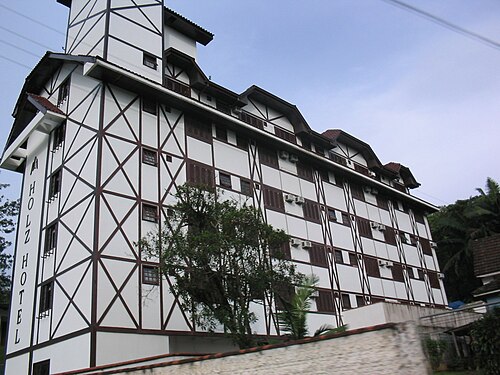
Joinville is a prominent city situated in the state of Santa Catarina, Brazil. Founded in 1851 by German immigrants, it is often referred to as the "City of Flowers" due to its lush vegetation and ornamental flower cultivation. With a population exceeding 600,000, Joinville ranks as the largest city in Santa Catarina and the 3rd largest in the southern region of Brazil. The city's economy is diverse, with significant contributions from sectors such as manufacturing, commerce, and services. Joinville has a reputation as an industrial hub, particularly known for its production of textiles, machinery, and electronic components.
Culturally, Joinville is rich in traditions influenced by its European settler roots. The city celebrates various festivals, the most notable being the Festival de Dança de Joinville, which is one of the largest dance festivals in the world. This event, held annually, attracts thousands of participants and spectators, showcasing a wide range of dance styles and talents. Additionally, Joinville boasts several parks and cultural institutions, such as the Joinville Museum and the Joinville House of Culture, which promote local heritage and arts. The city is also home to quality educational institutions, enhancing its reputation as an attractive place for families and students.
Joinville's strategic location near major highways and its proximity to the port of Itajaí enhance its logistical advantages, further promoting regional and international trade. The city's quality of life is augmented by well-planned urban infrastructure, green areas, and public facilities, making it an appealing destination for both residents and visitors. With its unique blend of industrial prowess, cultural richness, and natural beauty, Joinville continues to thrive as a significant urban center in southern Brazil.
Facts about Joinville
- Joinville is known as the 'City of Flowers' due to its abundant floral displays and annual flower festival, making it stand out among Brazilian cities.
- The city is home to theJoinville Dance Festival, which is the largest dance festival in the world, attracting thousands of participants and spectators each year.
- Joinville has a rich German heritage, strongly reflected in its architecture, culture, and festivals, distinguishing it from other cities in Brazil.
- The city is recognized for its strong industrial base, being a major hub for manufacturing, particularly in the textile and machinery sectors.
- Joinville hosts one of the largest immigrant museums in Brazil, the Museu Nacional de Imigração e Colonização, which showcases its unique settlement history.
- The Joinville National Music Festival is another significant cultural event that promotes musical talent across various genres, further enhancing the city's cultural landscape.
- Joinville's historical center features preserved buildings from the 19th century, offering a glimpse into the city’s colonial past unlike many modernized Brazilian cities.
- The city is strategically located between the ocean and mountains, offering diverse recreational opportunities such as hiking and beach activities, making it unique among Brazilian cities.
- Joinville is also known for its extensive park system, including the popular Parks Zoobotânico and Ivan Dario Becker, emphasizing its commitment to green spaces.
- The city was the birthplace of the famous Brazilian writer and poet, Victor Meirelles, known for his influential contributions to Brazilian literature.