Jos, Nigeria
- 1,040,000 people
- 12 places to visit
- 9.8965, 8.8583
Places to Visit (12)
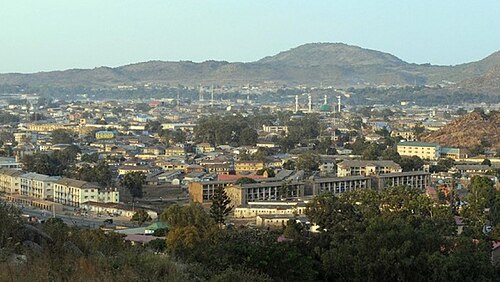
Jos is the capital city of Plateau State in Nigeria, located in the central region of the country. Renowned for its cool climate and scenic landscapes, the city sits on a high plateau, making it one of the highest towns in Nigeria, at an elevation of about 1,200 meters (approximately 4,000 feet) above sea level. This geographical advantage provides a temperate atmosphere, which is a stark contrast to the hot and humid conditions prevalent in many other parts of Nigeria. Jos is often referred to as the “Gateway to the North” due to its strategic position as a connector between northern and southern Nigeria. The city is also known for its rich mining history, particularly in tin mining, which attracted numerous settlers in the late 19th and early 20th centuries, leading to its development as a major urban center.
A unique characteristic of Jos is its cultural diversity, housing various ethnic groups, including the Berom, Ngas, and Afizere, alongside immigrants from other parts of Nigeria and abroad. This cultural mix is reflected in the city’s festivals, traditional practices, and culinary diversity. Jos is also home to several educational institutions, including the University of Jos, which caters to a large student population and contributes to the city's vibrant academic atmosphere. Additionally, the city boasts several tourist attractions, such as the Jos Wildlife Park, the National Museum, which showcases Nigeria's rich heritage, and the captivating Awhum Waterfall. Despite its natural beauty and cultural wealth, Jos has faced challenges, particularly regarding ethnic and religious tensions, which have historically led to conflicts. Nevertheless, the resilience of its inhabitants continues to foster an enduring community spirit, making Jos an intriguing and vital part of Nigeria's socio-cultural landscape.
Facts about Jos
- Jos is located on the Jos Plateau, which is known for its cooler climate and scenic landscape, making it a unique destination compared to many other Nigerian cities.
- The city is famous for its tin mining history, particularly during the British colonial era, which significantly contributed to its development and economic growth.
- Jos hosts the Jos Museum, one of the oldest museums in Nigeria, notable for its collection of ecological artifacts and the famous Nok terracotta sculptures.
- Every September, Jos celebrates the annual Jos Carnival, a vibrant festival showcasing the cultural diversity of the city and attracting tourists from all over Nigeria and beyond.
- The city features a unique architectural style influenced by German colonialism, evident in many of its buildings, which differentiates it from other Nigerian cities.
- Jos has a diverse population comprising various ethnic groups and religions, contributing to its rich cultural tapestry and peaceful coexistence.
- The city is known for its thriving agricultural sector, particularly in the production of potatoes, cabbage, and other vegetables due to its favorable climate.
- Jos Plateau is home to several breathtaking tourist attractions, including the Rayfield Resort and the picturesque Shere Hills, which offers hiking and outdoor activities.
- The city is recognized as a center for education in Nigeria, hosting several higher institutions, including the University of Jos and the Plateau State Polytechnic.
- Jos has been a focal point for interfaith dialogue and peace-building initiatives in Nigeria, reflecting its commitment to nurturing harmony among its diverse communities.