José C. Paz, Argentina
- 230,208 people
- 13 places to visit
- -34.5151, -58.7662
Places to Visit (13)
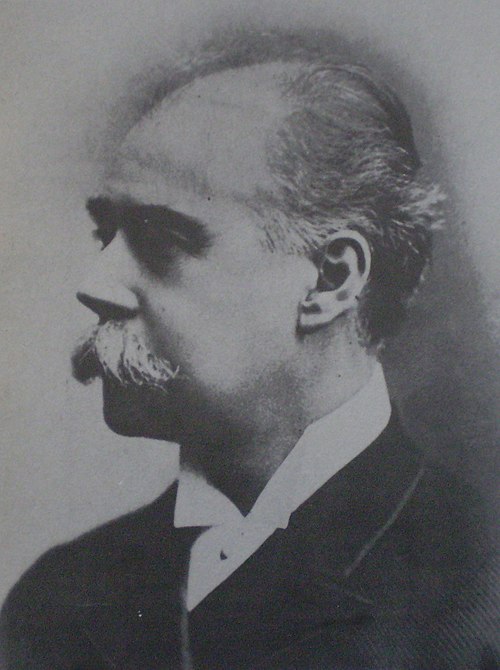
José C. Paz is a city located in the Buenos Aires Province of Argentina, situated approximately 35 kilometers northwest of the capital, Buenos Aires. It serves as the administrative center of José C. Paz Partido, a subdivision within the province. The city is named after José C. Paz, a notable Argentine politician and journalist from the late 19th century. The area has a rich cultural and historical background, characterized by its transformation from a rural community into a dense urban settlement over the past few decades. Its development accelerated significantly during the mid-20th century as various waves of migration brought new residents seeking opportunities, particularly from rural provinces and neighboring countries.
The city's infrastructure includes several residential neighborhoods, schools, and local businesses, contributing to its role as a significant urban center within the region. José C. Paz is also well-serviced by public transportation, with connections via buses and the Sarmiento railway line, which facilitates access to the broader Buenos Aires metropolitan area. As of the latest census, the population of José C. Paz has been estimated to be around 100,000 inhabitants, making it a bustling hub for industry and commerce. The local economy is diverse, featuring small and medium-sized enterprises as well as informal businesses that form an essential part of everyday life for its residents.
In addition to its economic activities, José C. Paz is known for its vibrant community life and various cultural activities. The city hosts several local festivals and events throughout the year, showcasing the traditions and customs of its diverse population. The local government has also made efforts to improve public spaces and community facilities, promoting social engagement and enhancing the quality of life for its residents. José C. Paz continues to evolve, reflecting the broader trends of urbanization and globalization that shape contemporary Argentina while maintaining a unique identity that celebrates its local heritage.
Facts about José C. Paz
- José C. Paz is named after the Argentine politician and diplomat José C. Paz, who was influential in the early 20th century.
- The city is part of the Buenos Aires metropolitan area and is located approximately 30 kilometers from the capital city of Buenos Aires.
- José C. Paz has a relatively young history, becoming an official municipality in 1994, which distinguishes it from many other established towns in Argentina.
- The city is known for its residential neighborhoods and has experienced significant urban expansion since the 1990s, attracting many families from other parts of Buenos Aires.
- José C. Paz is home to several educational institutions, including the National University of José C. Paz, which was created to address higher education needs in the area.
- The city hosts annual cultural events, such as the 'Fiesta Nacional de la Tradición', which celebrates Argentine folk culture and traditions.
- José C. Paz is known for its diverse populace, with a blend of urban and rural influences that sets it apart from more traditional cities.
- Public transportation in José C. Paz includes the 'Ferrocarril San Martín' railway line, which provides crucial connectivity to Buenos Aires, emphasizing its role as a commuter town.
- The local government has implemented various social programs aimed at improving community welfare, distinguishing it from less proactive municipalities.
- José C. Paz is surrounded by several green spaces and parks, such as Parque del Bicentenario, promoting an emphasis on nature within an urban environment.