Juba, South Sudan
- 450,000 people
- 9 places to visit
- 4.8539, 31.5825
Places to Visit (9)
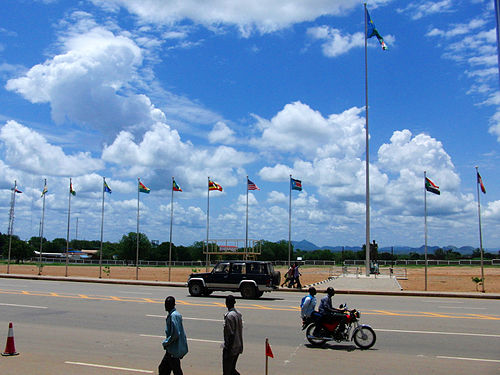
Juba, the capital and largest city of South Sudan, is situated on the banks of the White Nile and serves as a vital political, economic, and cultural center for the young nation. Founded in the 19th century, Juba has evolved from a small trading post into a bustling urban area since becoming the capital in 2011, following South Sudan's secession from Sudan. The city's population is diverse, comprising numerous ethnic groups, with a notable presence of Dinka, Nuer, and Shilluk communities, contributing to a rich cultural heritage reflected in local traditions, music, and festivals.
Despite its growth, Juba faces significant challenges, including political instability, economic difficulties, and infrastructural deficits, which have been exacerbated by the civil conflict that erupted in 2013. The city has struggled with issues such as high inflation, unemployment, and the provision of essential services like healthcare and education. Infrastructurally, while efforts have been made to improve roads and facilities, much remains to be done to accommodate the rapid urbanization and population increase. International organizations and aid agencies play a crucial role in supporting development projects aimed at addressing these challenges, though security concerns often hinder progress.
Juba's geographical position gives it strategic importance, serving as a hub for trade and transportation in the region. The city has a growing economy, primarily driven by sectors such as oil, agriculture, and small-scale trade. With a commitment to fostering peace and stability, the South Sudanese government, alongside international partners, is focused on rebuilding the nation and improving the living conditions of its citizens. Despite the difficulties, Juba remains a symbol of hope and resilience for many South Sudanese, embodying the aspirations of a country striving for unity and prosperity.
Facts about Juba
- Juba is the capital and largest city of South Sudan, making it the political and administrative center of the country.
- The Juba Bridge, completed in 2012, is a significant landmark that connects the northern and southern parts of the city and serves as a vital transportation link.
- Juba hosted the signing of the Comprehensive Peace Agreement in 2005, which ultimately led to the country's independence from Sudan in 2011.
- The city's vibrant markets, such as Juba Market, are known for showcasing a mix of local crafts, import goods, and traditional South Sudanese foods, reflecting its diverse culture.
- Juba is home to the University of Juba, the first university established in South Sudan, founded in 1975 and known for its role in higher education and research.
- The Juba International Airport is one of the busiest airports in South Sudan, serving as a key hub for domestic and international flights.
- Juba is situated near the confluence of the White Nile and the Bahr el Jebel rivers, providing a unique natural landscape that is different from other cities in the country.
- The city has been a focal point for various humanitarian efforts and international peacekeeping missions, particularly after the civil wars in South Sudan.
- Juba's cultural scene includes traditional music and dance, with events and festivals celebrating South Sudanese heritage, making it a cultural center in the country.
- The city has experienced rapid urbanization and population growth since independence, leading to ongoing development challenges and opportunities.